Guides
Step-by-step help to build the bed, shape the mound, read the frost dates and keep the season going. Every graded claim links to its evidence.
Questions this library cannot answer yet › The gaps from every guide, in one place.
From your garden
One guide for each plant you’ve planned here, on this device. Nothing is sent anywhere.
Start here · 6
 Understanding your frost dates Your last and first frost dates are the clock the whole garden runs on. What they mean, why they're a probability, and how they decide when each crop can go out.
 Frost dates vs hardiness zones vs day length Three different numbers describe your climate, and they do three different jobs. Your zone, your frost dates, and your latitude each answer their own question. Most garden tools blur them into "your zone," which is a mistake. Here's which is which.
 How to read a planting calendar A planting chart that says "sow in April" is wrong for most of the country. The skill worth having is reading any calendar as an offset from your own frost dates. Here's how, at both ends of the season.
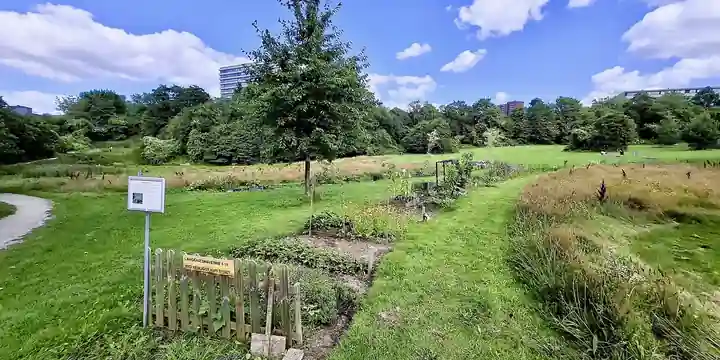 Where to put a garden: sun, water, and drainage The single biggest decision you make is where the garden goes, and you make it before you plant anything. Here's how much sun vegetables need, why standing water is a dealbreaker, and how the site shapes the plan.
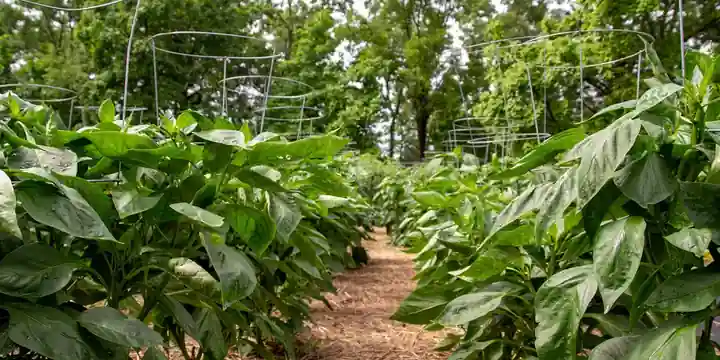 Choosing a field, an in-ground bed, a raised bed or a container The four ways to hold a garden, what each one costs and buys, and how to pick the one that fits your yard, your soil, and how much work you want.
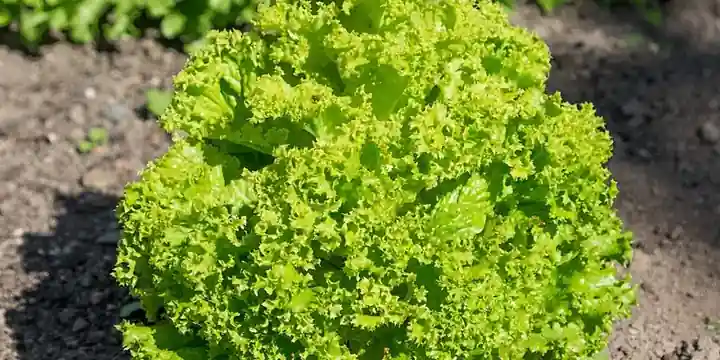 Plant your first bed, step by step A first-season walkthrough. Pick a few forgiving crops, count from your frost dates, start what needs a head start, harden it off, and get it in the ground at the right time.
Know your ground · 10
 How to build a raised garden bed How wide, how long, how deep, and what to build it from. Width is the one dimension that matters, the rest is up to you, and here's how to fill it without wasting money.
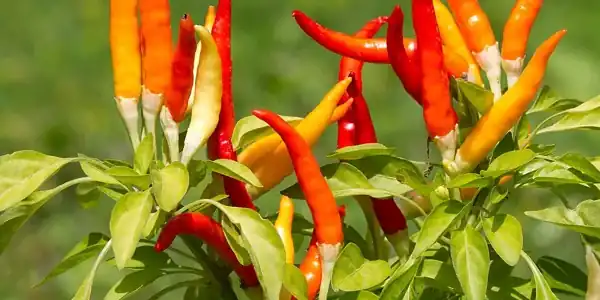 Container vegetable gardening for beginners You can grow real food in pots on a patio, balcony, or step. Here's how to pick the pot, what to fill it with, what to grow, and the one habit that decides whether it lives.
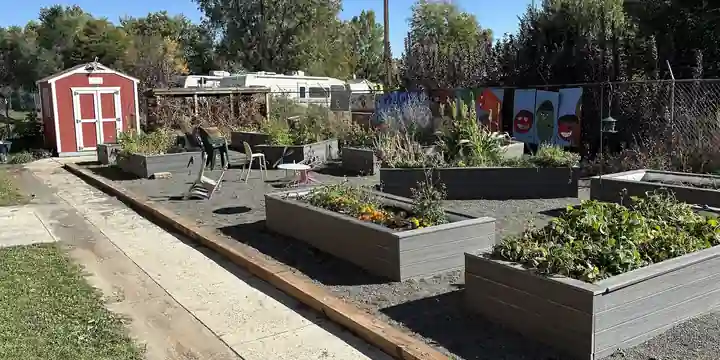 What to do with last year's raised bed soil Your raised bed soil isn't used up at the end of the season. Here's why it settles, how to refresh it with compost, and why replacing it is almost never the answer.
 The soil test, the best $15 in gardening A soil test replaces guessing with knowing. Here's what it measures, why no tool should hand you fertilizer numbers without one, and how to take one. The rare piece of garden advice that saves money.
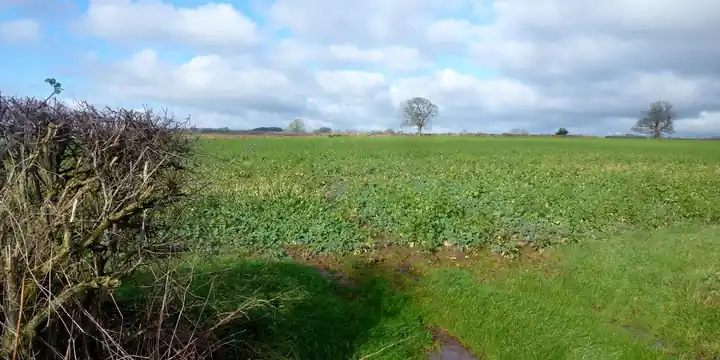 Cover crops and green manure for the home garden A cover crop is a plant you grow to feed the soil. Here's what they do, which kind fixes nitrogen and which just builds organic matter, and how to fit one into a small garden's off-season.
 Do you need to rotate crops in a raised bed? Yes. The pests and diseases live in the soil, so a raised bed needs rotating like any ground. Here's why, and why digging out the soil is the costly way to do the same job.
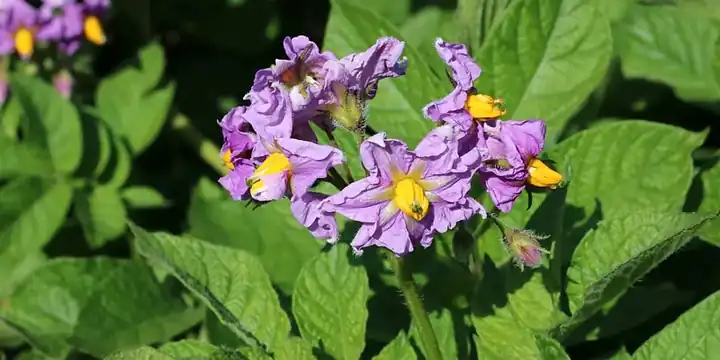 Crop rotation for the home garden Move crops by plant family so soil-borne pests and diseases can't settle in. What to rotate, how far apart, and what rotation can and can't do.
 Don't plant berries where the tomatoes were: the rotation rule that rotation misses You can rotate perfectly, wait three years, clear the debris, and still kill a raspberry patch. Verticillium ignores plant families and lingers in soil for years.
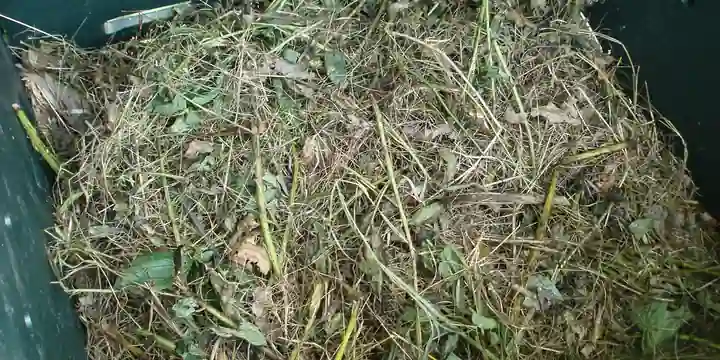 Making compost in hot piles and cold piles How to make compost that finishes: what goes in, hot versus cold piles, which myths to skip, and the one contamination risk to take seriously.
 Controlling weeds, and the weed folklore that fails Two habits beat everything: never let a weed set seed, and keep the soil covered. The mulch depths, the shallow hoe, the vinegar myth, and the weeds you plant yourself.
What to grow · 20
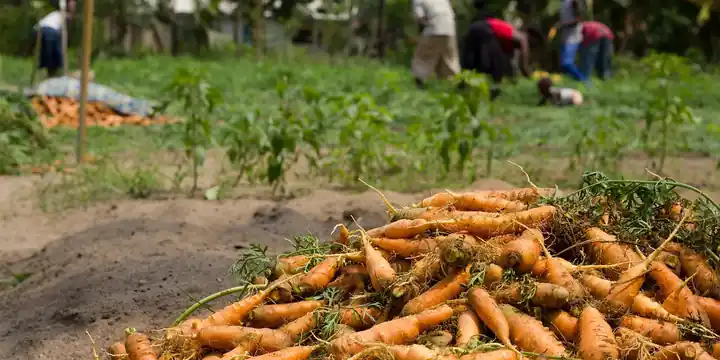 Growing carrots and other root vegetables Roots are among the easiest crops to grow and the easiest to get subtly wrong. Here's the loose soil they need, why feeding them like leafy crops backfires, and what causes forked carrots.
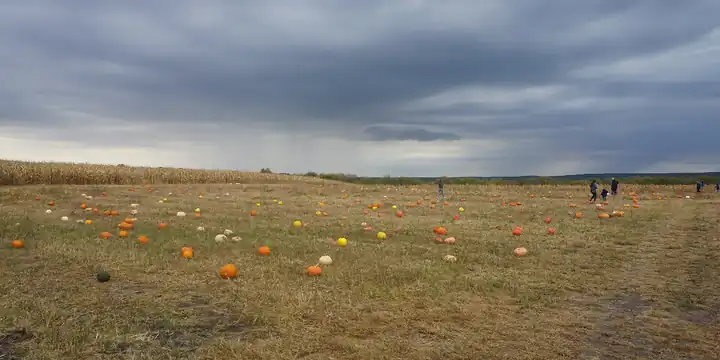 Bush or vining squash, and how much room each needs Two packets can both say "squash" and grow plants that need four times the room. The habit word on the packet is what decides your spacing.
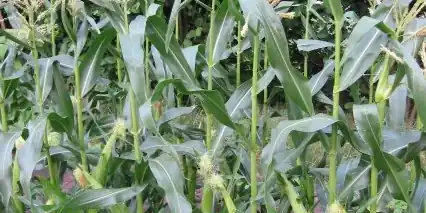 How to build a Three Sisters mound What the mound is for, how big to shape it, and the staggered order to plant corn, beans, and squash, plus the exact block the corn needs to pollinate.
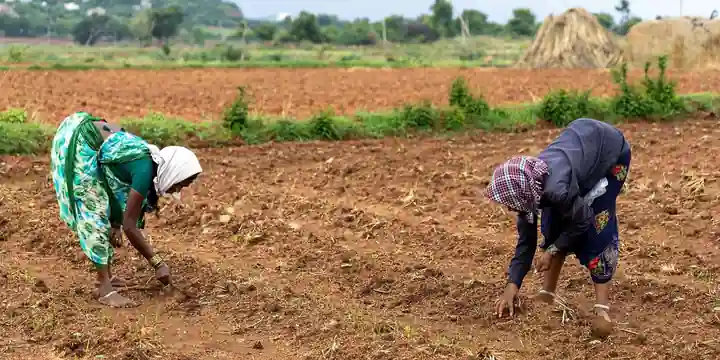 Do beans really feed the corn? The most repeated fact about the Three Sisters, that the beans fix nitrogen to feed the corn beside them, is half true, and the wrong half is the one people rely on. Here's what happens.
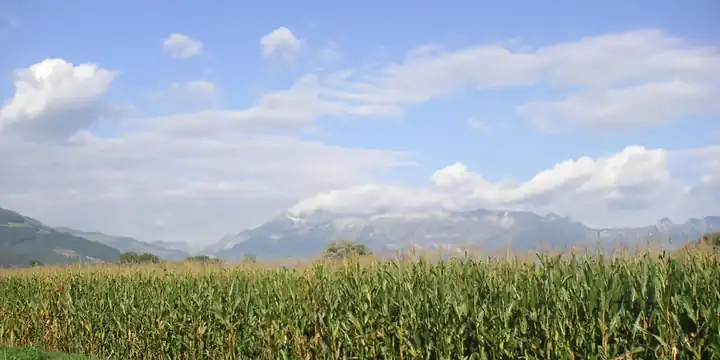 What is a milpa? The fuller system behind the Three Sisters The Three Sisters is the famous three-crop version; the milpa it comes from is a whole interplanted field. What the milpa adds, what it looks like planted, and how to grow a piece of one.
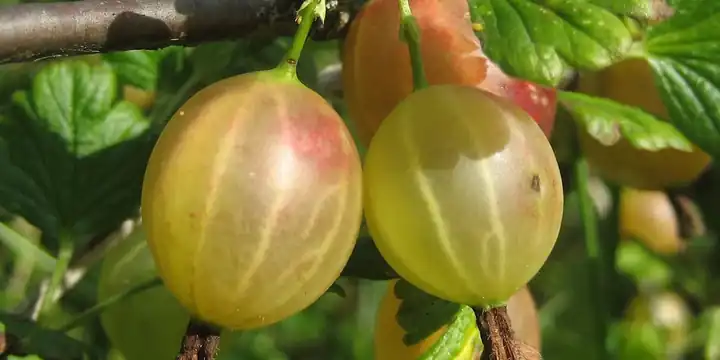 The fruit tree guild, role by role: which parts are load-bearing and which are folklore The permaculture apple-tree guild looks the same on every blog. Some of it is real and some has nothing behind it. Here is the whole thing graded, claim by claim.
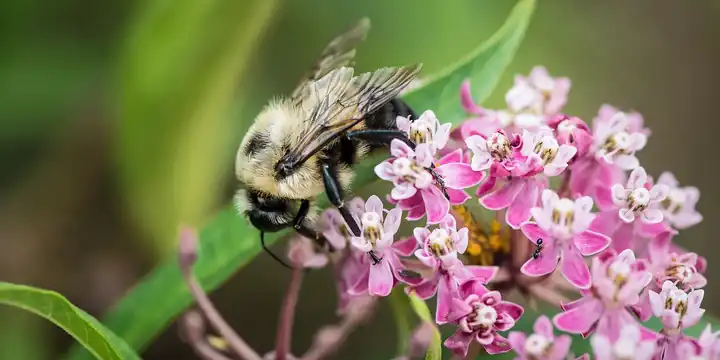 Why is my squash not setting fruit? Pollination for the home gardener Lots of flowers and no fruit is usually a pollination problem. How squash, cucumbers, corn, and the crops that need a partner get pollinated, and the short list of what you can do about it.
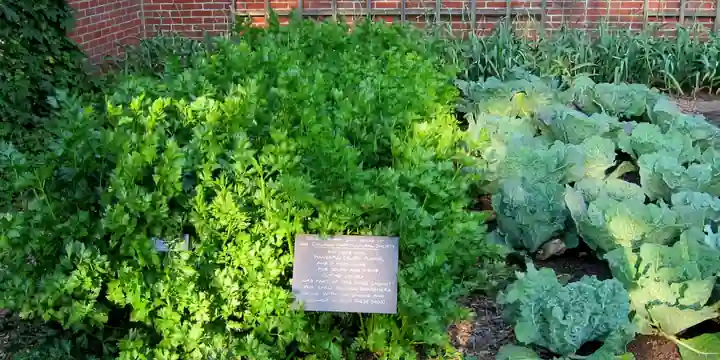 Do plants really affect their neighbors? Allelopathy, living mulch, and what the evidence supports Some plants do change the ground for the ones beside them, and one will kill your tomatoes. The real effects look nothing like the companion chart.
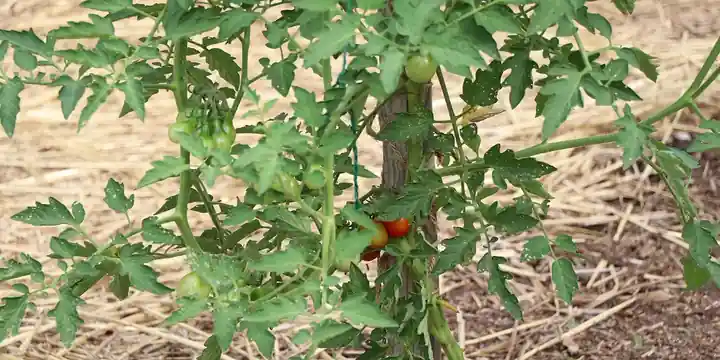 Growing tomatoes, starting with bush or vining A tomato is either determinate or indeterminate. That one word on the label decides its spacing, its support, and when it stops. Everything else follows.
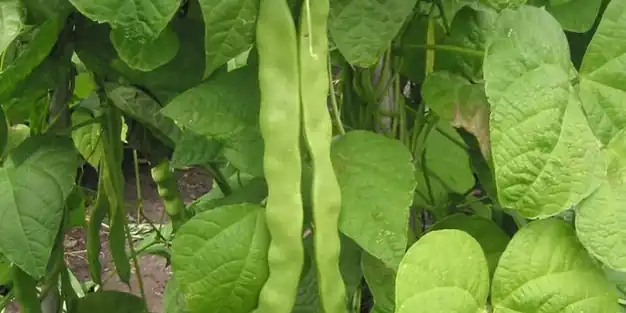 Growing beans: pole or bush, and what the roots leave behind The same bean is a knee-high bush or an all-season climbing vine, and the packet says which. How to grow both, and the truth about the nitrogen everyone repeats.
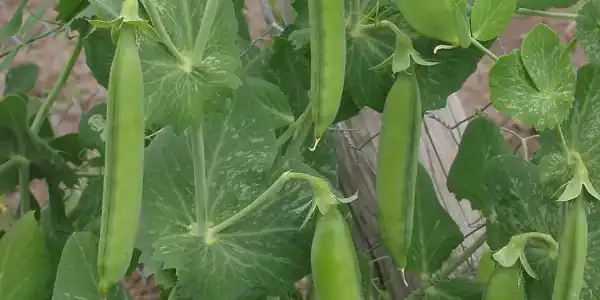 Growing peas, the crop to plant earlier than feels right Peas punish waiting. They go in weeks before the last frost, climb with tendrils, and quit the moment summer arrives, which changes how you plan the whole row.
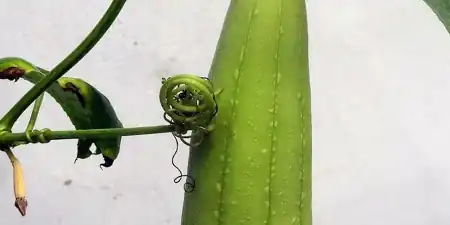 Growing cucumbers on a trellis Cucumbers grow fine on the ground and better up a trellis, with straighter fruit in less space. Vining or bush, why you pick daily, and why a bitter one is stressed.
 Growing fava beans, a cool-season bean you grow like a pea Fava beans (Vicia faba) are a legume you grow like peas. Sow them early into cold ground and they finish before real summer heat arrives.
- Growing potatoes from seed tubers The potato (Solanum tuberosum) is a nightshade, kin to tomatoes and peppers, grown from pieces of tuber instead of seed. That decides most of how you grow it.
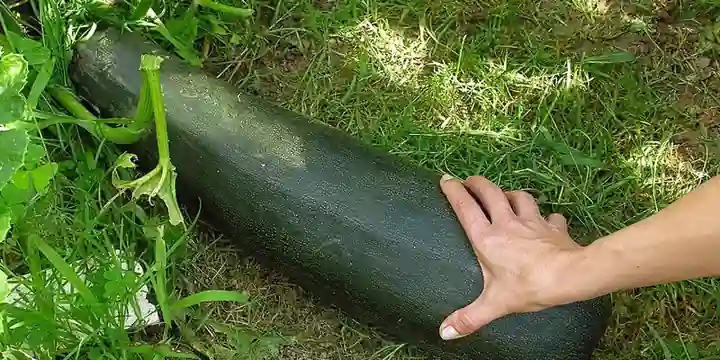 Growing summer squash, where a few plants are plenty The most over-planted vegetable in the garden. Why a row of zucchini buries a household, what bush-or-vining changes about its space, and why the first flowers fall off.
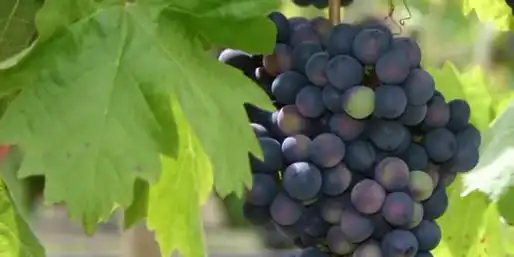 Growing grapes, starting with the trellis A grape lives twenty years, needs its trellis up before planting day, and wants the job most gardeners skip, which is real pruning.
- Growing onions by day length and garlic from a fall planting Onions (Allium cepa) and garlic (Allium sativum) are close cousins on opposite calendars. Onions go in early in spring, garlic in autumn.
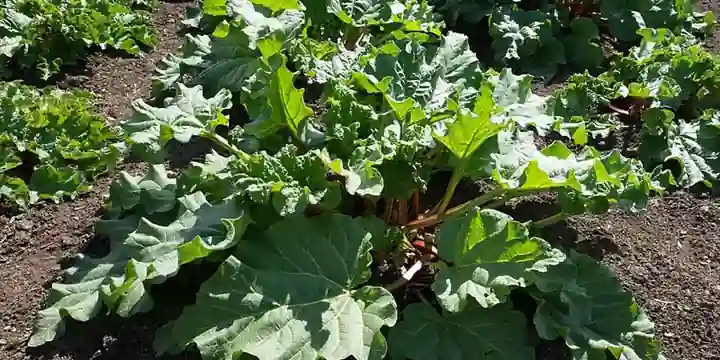 Growing rhubarb for its stalks, since the leaves are poisonous Rhubarb is one of the easiest perennials to plant, and the only common vegetable where part of the harvest is toxic. Which part, why, and the myths worth ignoring.
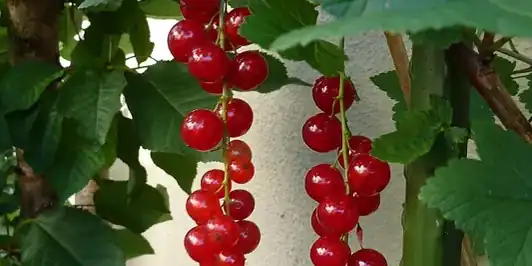 Growing currants and gooseberries, once your local rules allow them One of the few fruits that crop in part shade, and the only one with a legal history. What that old ban protects, and how to plant around it.
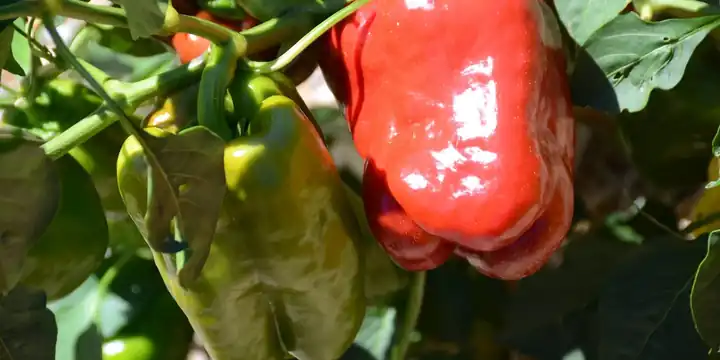 Saving seed that comes true Tomatoes, peppers, beans and peas come true from saved seed. Squash, corn and the cabbages will surprise you. Which is which, and how to clean, dry and store seed.
Keep it alive · 12
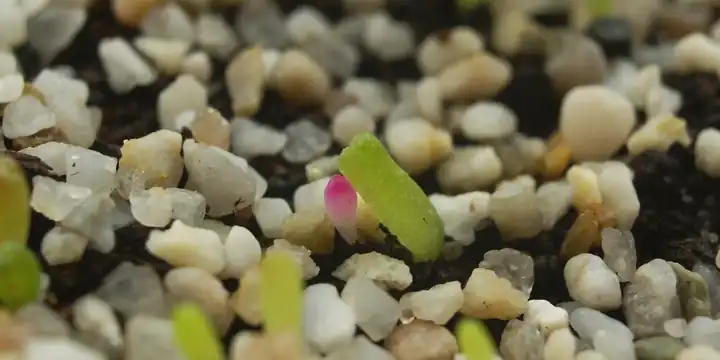 Starting seeds indoors Which crops need a head start, how many weeks before your last frost to sow them, and the list of what you should sow straight in the ground instead.
- Getting seeds to come up A seed comes up when a few things line up: soil in its germination range, steady moisture, and for some seeds a dormancy broken first or a glimpse of light. Here is what each kind asks for, and why.
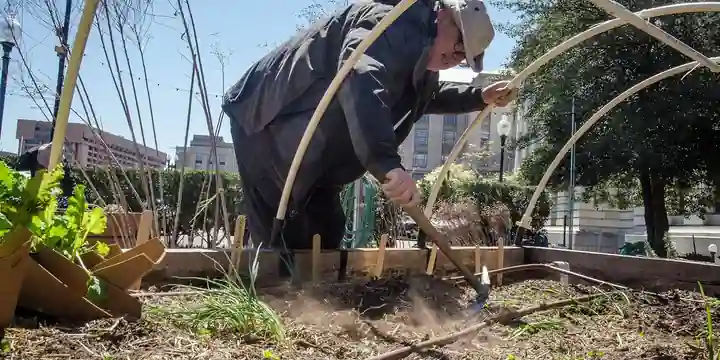 How to transplant seedlings Moving a seedling into the garden is where a lot of them get set back or killed. How to harden off, handle, and set a transplant, plus the one crop you plant deeper than it grew, and the reason.
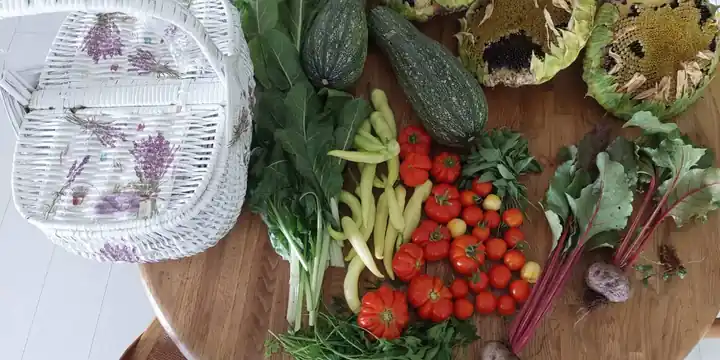 Succession planting for a steady harvest Plant all your lettuce at once and you get a wall of it for two weeks, then nothing. Succession planting, in small staggered sowings, gives you a steady supply of the crops you eat continuously.
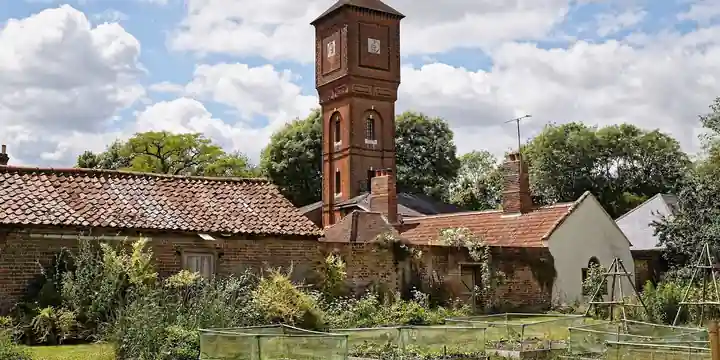 How to water a vegetable garden How often, how much, and how to water. Why no one can hand you a watering schedule, the finger test that replaces it, the inch a week your rain counts toward, and the habits (deep, at the base, early, under mulch) that prevent most trouble.
 Floating row covers: frost protection, pest exclusion, and the one rule A lightweight fabric that buys you a few degrees of frost, keeps pests off physically, and warms the soil. There's one hard rule about when you have to take it off, or you'll get no fruit.
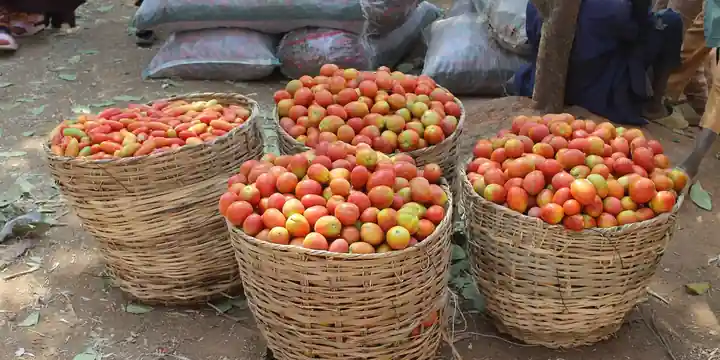 Why won't my tomatoes set fruit? Heat, blossom drop, and the shade-cloth mistake A tomato plant covered in flowers that drop without making fruit is usually being stopped by the temperature, and specifically by the night temperature. That's why the shade cloth everyone reaches for does nothing.
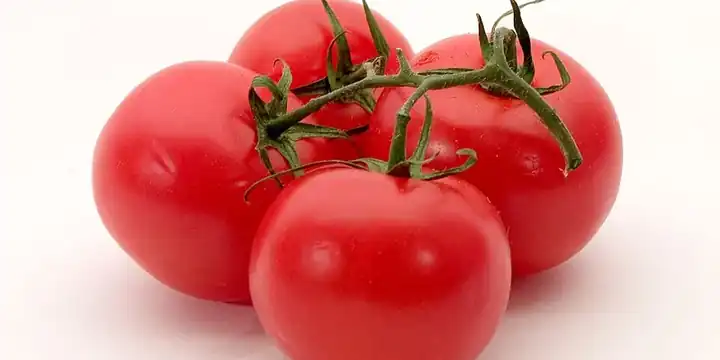 Why tomatoes rot at the bottom, and how to stop blossom-end rot The sunken black patch on the bottom of your tomatoes isn't a disease and usually isn't a calcium shortage, so eggshells and Epsom salts won't help. Here's what it is and the fix that works.
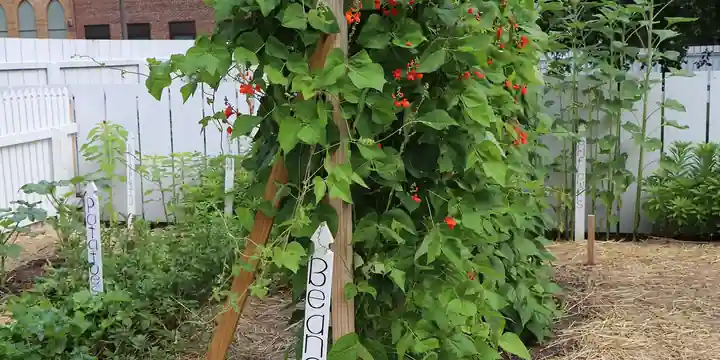 How to stake, cage and trellis your plants Some plants can't hold themselves up, and left on the ground they sprawl, rot, and yield poorly. Which crops need support, what kind, and why you put it in the day you plant.
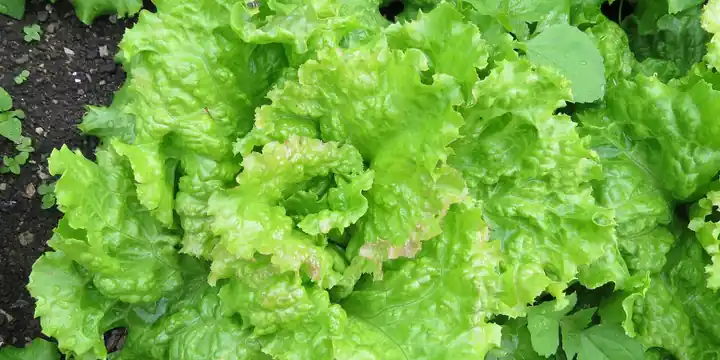 What's eating my plants? Reading the damage before you act Match the holes, the trails and the cut stems to the culprit first, then use the fix that works. Most of it isn't spray, and some damage costs nothing.
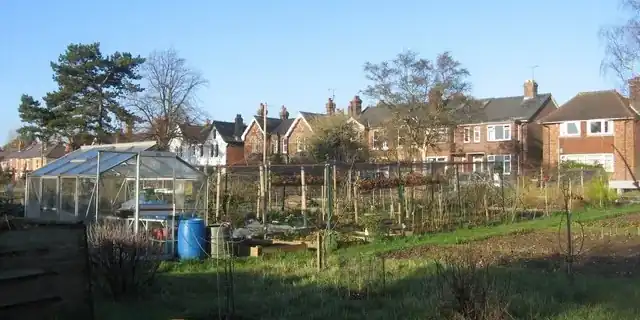 When to pick your harvest, and how to make it keep The picking signs for each crop, which ones must cure before they'll keep, the three kinds of pantry, and what should never see the refrigerator.
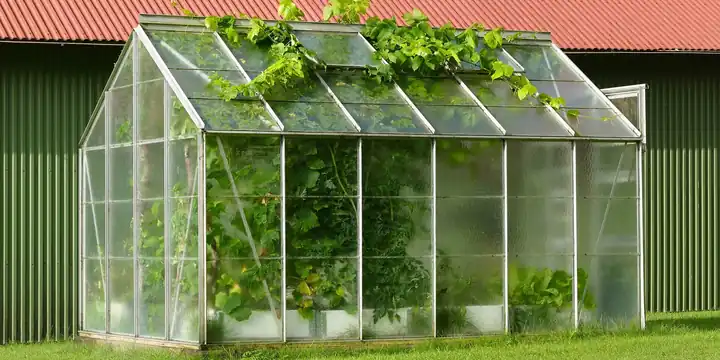 Cold frames and low tunnels for extra weeks of season What cold frames, low tunnels and row covers really buy: the degrees, the weeks, and the venting chore that decides everything. Plus what to grow under each.
Myths · 4
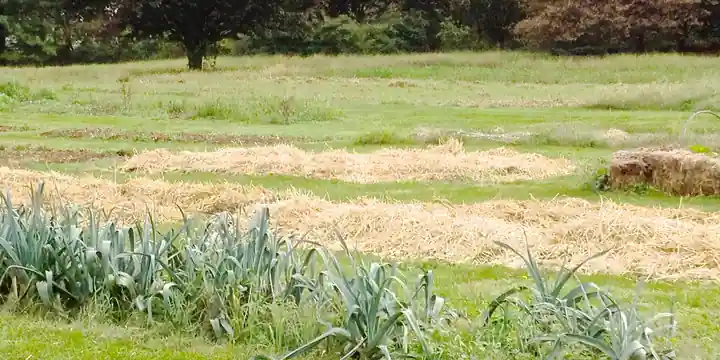 Soil myths about sand in clay, coffee grounds and banana peels The most-repeated soil advice online is free, sounds sensible, and mostly does nothing. One tip makes your soil worse. Here's each one, and the boring thing that works.
 What the evidence says about companion planting Most companion-planting chart entries are tradition, and few were ever tested. Here's the short list of pairings that hold up, the famous ones that don't, and how to tell which is which.
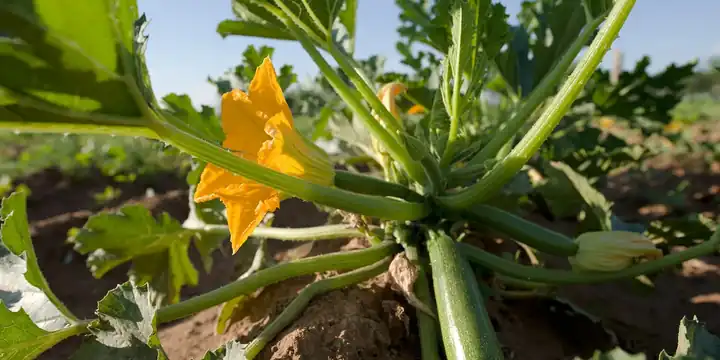 Which homemade pest and weed remedies work Dish soap, vinegar, eggshells and human hair are the free kitchen-cupboard fixes. The one most often sold as the safe choice is the one that damages your plants.
- Garden folklore about moon planting, midday watering and talking to plants Old beliefs that cost nothing to hold, except the one that leaves a wilting plant unwatered in a heatwave. What's known about each.