Three different numbers describe your climate, and they do three different jobs. Your zone, your frost dates, and your latitude each answer their own question. Most garden tools blur them into "your zone," which is a mistake. Here's which is which.
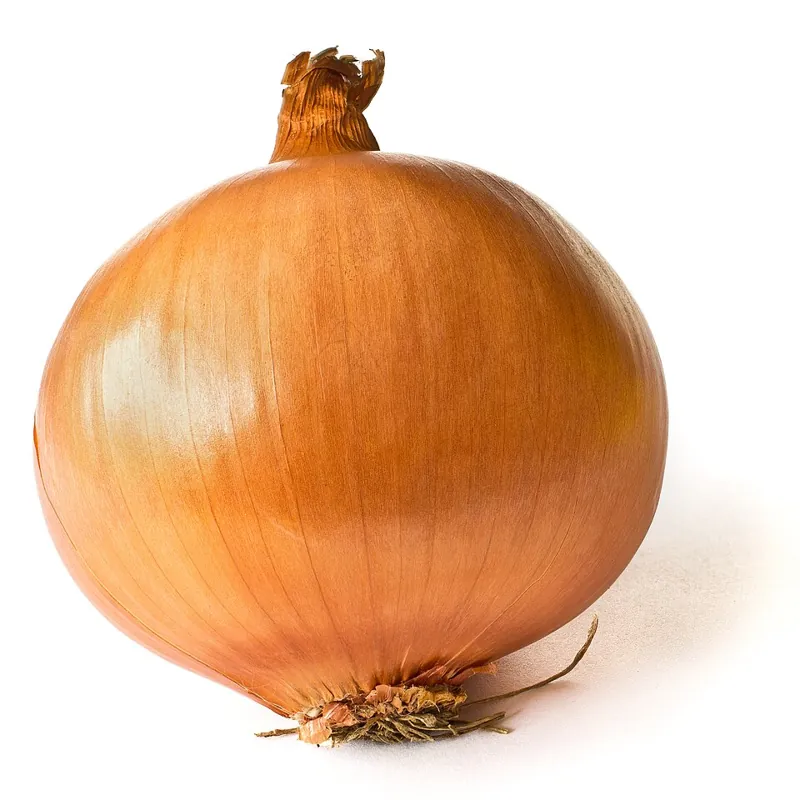
Photo: Colin · CC BY-SA 3.0, via Wikimedia Commons.
What you need
Your hardiness zone, for deciding which perennials survive your winter
Your frost dates, for scheduling everything you plant each year
A rough sense of your latitude, which matters for a few day-length crops
“What zone am I in?” is the first thing most new gardeners look up, and the answer is a useful number for exactly one job. Garden tools, tags, and half the advice online collapse three different climate facts into that one word, “zone,” and treat it as the answer to everything. Three numbers describe where you garden, and each answers a question the others can’t.
What does my hardiness zone tell me?
A USDA hardiness zone is one thing: the average coldest winter temperature at your location. That tells you whether a plant that has to live through winter, such as a fruit tree, a grape vine, a perennial herb, or a shrub, will make it to spring.
Hardiness zone is the correct variable for perennials, and only for perennials.
If you skip this, it still grows, just less well. The planner suggests it.
How it works: Zones encode average annual minimum winter temperature, which governs whether a woody perennial survives to spring. It is the wrong quantity for an annual, which never sees winter.
A zone that is too warm is a second, different mechanism. Mild winters do not kill a perennial; they fail to chill it. Deciduous fruit crops need a winter dormancy period to break bud and set fruit, so in a zone milder than a plant is adapted to it may survive and never crop. Only the cold end is enforced, because only winter survival follows from what a zone measures; the warm end gets advice and is never refused.
That warm limit is a property of the cultivar, and that limits what this rule can do. Chill requirement is published per variety and varies enormously within a species, so a species-level ceiling says "the modeled range does not reach your zone", never "no plant of this kind will crop for you". So above its range the planner still offers the plant, with advice to choose a cultivar rated for your zone.
Evidence: checked against 1 source in the research-based literature.
Winter cold-hardy cultivars adapted to the colder regions of Oregon (such as zones 5 to 7), may not grow normally in regions of the Willamette Valley (zone 8) where winters are warmer and plants receive less winter chill.
Plus 2 working notes on how the sources were read.
The key word is perennial. A hardiness zone is the right variable for the plants that overwinter, and only for them. A tomato or a bean is an annual. It lives one season and dies at frost, and it never experiences the winter minimum the zone measures. So the zone can’t tell you which tomato to grow. Zones are a perennial’s concern.
What are frost dates for?
For every annual you grow, which is most of a vegetable garden, the number that matters is your frost dates: the last frost of spring and the first of fall. Those two dates are the clock that says when each crop can go out and how long your season is, and two gardens in the very same zone can have frost dates weeks apart. The understanding your frost dates guide covers how to read them. This guide only needs you to know that this is the number that schedules your planting. The explainer your hardiness zone does not know your frost date walks through why the two come apart.
Two gardens, both in USDA zone 7a, with median last frosts 78 days apart. The zone tells you what survives the winter. It can’t tell you when to plant. Each bar runs from the median date to the 1-in-10 late date, the tick marks the median.Source: NCEI 1991–2020 station frost normals, the same table the frost pages use. Each station’s hardiness zone comes from the nearest-ZIP join those pages also use.
Does day length matter for what I plant?
Neither zone nor frost date captures a third climate quantity: how long your summer days are, which is set by your latitude. For most crops it doesn’t matter. For a few it decides everything, and the clearest case is the onion.
If you skip this, the planting fails. The planner won’t allow it.
How it works: Bulbing fires when daylength crosses a cultivar's critical threshold (short ~10-12h, intermediate ~12-14h, long ~14-16h). A short-day cultivar grown too far from the equator crosses its low threshold early and bulbs prematurely on small plants, so bulbs stay small. A long-day cultivar grown too close to it never reaches its high threshold and fails to bulb. Changeover is around the 35th-38th parallel, north or south.
Evidence: checked against 2 sources in the research-based literature.
… onions will not form bulbs until daylength reaches the cultivar's critical threshold. Short-day onions bulb at approximately 10-12 hours of daylength ... Intermediate-day onions bulb at approximately 12-14 hours ... Long-day onions bulb at 14-16 hours of daylength.
Long day varieties are for northern growing areas (above the 35th latitude); short-day varieties are for southern. If short-day varieties are grown in our zone, they won't do well. They will not form bulbs of any decent size. And since the long day onions need more daylight, they will not do well
Remedy
Choose long-day onions far from the equator and short-day near it; the planner picks the group from your plot's latitude.
An onion starts making its bulb when the day reaches a certain length, and that trigger length differs by variety. Grow a “short-day” onion far from the equator and it bulbs too early on a tiny plant. Grow a “long-day” onion near the equator and the day never gets long enough, so it never bulbs at all. That’s a latitude problem, and the fix is to buy the onion type rated for your latitude. Your zone doesn’t enter into it, which shows plainly that “zone” was never the whole story.
How do these three numbers fit together?
Keep them straight and a lot of confusing advice sorts itself out:
Hardiness zone - will a perennial survive your winter. Perennials only.
Frost dates - when to plant and harvest your annuals. This runs the vegetable garden.
Latitude / day length - a handful of crops (onions above all) that key off summer daylength.
Most tools use your zone for all three, which answers two of those questions with the wrong number. This planner keeps them separate on purpose.
Further reading
Good places to read more about the technique on this page. The grade on each card comes from that card’s own sources.