A planting chart that says "sow in April" is wrong for most of the country. The skill worth having is reading any calendar as an offset from your own frost dates. Here's how, at both ends of the season.
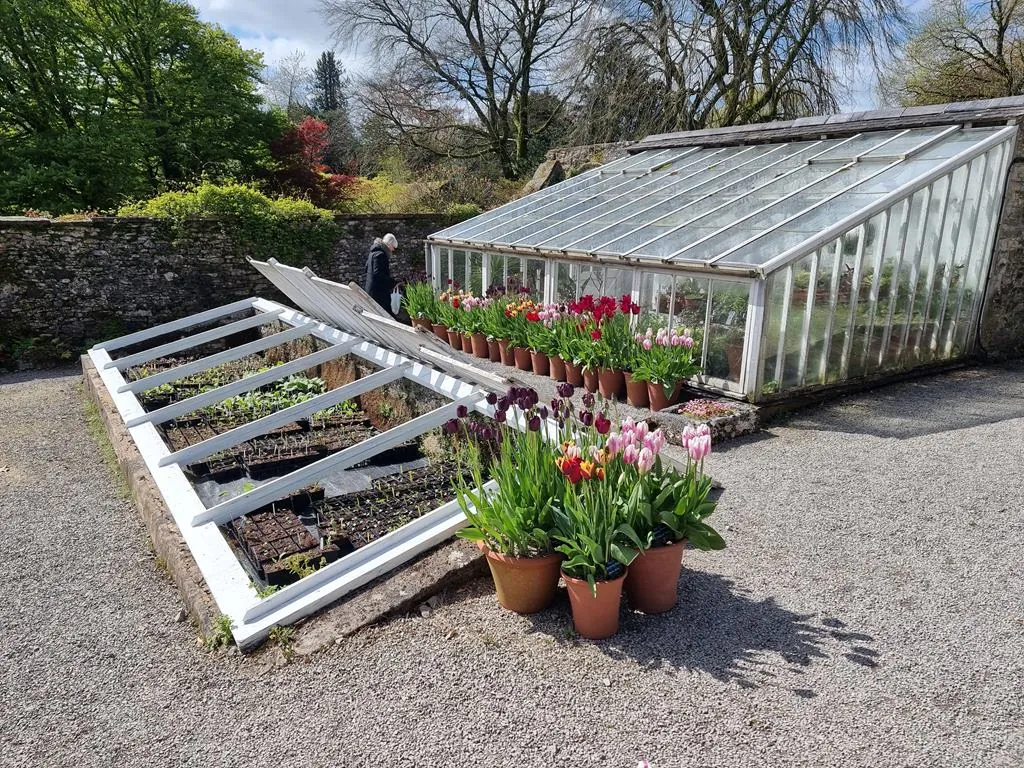
Photo: Oliver Dixon · CC BY-SA 2.0, via Wikimedia Commons.
What you need
Your last spring frost and first fall frost dates (the planner gives them from your address)
Each crop’s cold-hardiness (hardy, half-hardy, tender or very tender)
Each crop’s days to maturity, printed on the seed packet
Open any planting calendar and you’ll see instructions like “sow peas in March” or “set out tomatoes in May.” Those months are someone else’s. A March that’s safe in Georgia is deep winter in Minnesota. The skill that makes every planting chart usable is reading it as offsets from your own frost dates. Do that and one generic calendar works everywhere.
Do the dates count from the month or from my frost date?
The real clock is how many weeks a crop can stand before or after your last spring frost, and that depends only on how much cold the crop tolerates:
Cold-hardy annuals can be sown or transplanted before the last spring frost (hardy crops about three weeks before, half-hardy about two weeks before). Tender crops wait for the frost itself.
If you skip this, it still grows, just less well. The planner suggests it.
How it works: Cold hardiness. Hardy crops tolerate hard frost and half-hardy crops tolerate light frost, so they can occupy the ground weeks before frost-tender crops are allowed in. The offset is measured from the last spring frost.
Evidence: checked against 2 sources in the research-based literature.
So a “cold-hardy” crop like peas, spinach, or onions goes out about three weeks before your last frost; a “half-hardy” one about two weeks before; a tender crop (bean, summer squash) waits until the frost has passed; and a very tender one (tomato, pepper, melon) waits about two weeks past it. When a chart says “April,” translate it: find your last frost date, then count backward or forward by the crop’s tolerance. “Three weeks before my last frost” is a real instruction for your garden in a way “April” never is.
What are the two ends of the window telling me?
A planting calendar has two edges, your last spring frost and your first fall frost, and the season between them is your frost-free window. Spring answers when you can start. Fall answers something calendars handle badly: whether a crop has time to finish at all.
Don't plant a crop that can't mature before your frost-free season ends
If you skip this, the planting fails. The planner won’t allow it.
How it works: The season's accumulated growing degree days (a running total of its warmth) against the total the crop needs to mature, or the crop's days to maturity against the number of frost-free days.
Evidence: checked against 3 sources in the research-based literature.
Once you know the average dates of the last frost in spring and the first frost in fall, count the number of days between. If the “days to maturity” figure for a desired vegetable is a larger number of days and the “frost tolerance” column indicates “none,” the sad truth is that particular vegetable probably won’t grow to maturity.
… high elevation areas don’t accumulate enough “growing degree units” (GDUs, also called growing degree days and heat units) to support some of the most coveted warm season vegetables
Remedy
Start it indoors and transplant it, choose a variety with fewer days to maturity, or skip this crop at this site.
Every crop has a days-to-maturity number on the packet. To know if there’s still time to plant one, especially a fall crop, count that many days back from your first fall frost, and add a couple of weeks because growth slows as the days shorten. If today is past that date, the crop won’t finish. Pick a shorter-season variety or wait for next year. This backward count from the fall frost is the single most useful thing a calendar can’t do for you, because it doesn’t know your dates.
Days from sowing to first harvest, from our plant records. Each bar is the crop’s range across cultivars; where a cultivar group is named, its own range.Source: the days to harvest in each plant’s record, or a cultivar group’s own range where one is named.
What about crops I start before the window opens?
One more wrinkle the calendar compresses: some crops are started weeks before they’re planted out. A tomato is sown indoors around six weeks before your last frost and set outside about two weeks after it, so one crop has two different dates. The starting seeds indoors guide covers which crops need that head start and how to count it.
Is the frost date on the calendar a sure thing?
The whole system rests on your frost dates, and those are averages. A “last frost date” is the day after which frost becomes unlikely. It can still happen. The understanding your frost dates guide covers reading them as odds. Put it together and reading a planting calendar is three moves: find your frost dates, count each crop’s window from them, and check the fall end to be sure there’s time to finish. The first bed walkthrough does exactly this for a first season.
Further reading
Good places to read more about the technique on this page. The grade on each card comes from that card’s own sources.