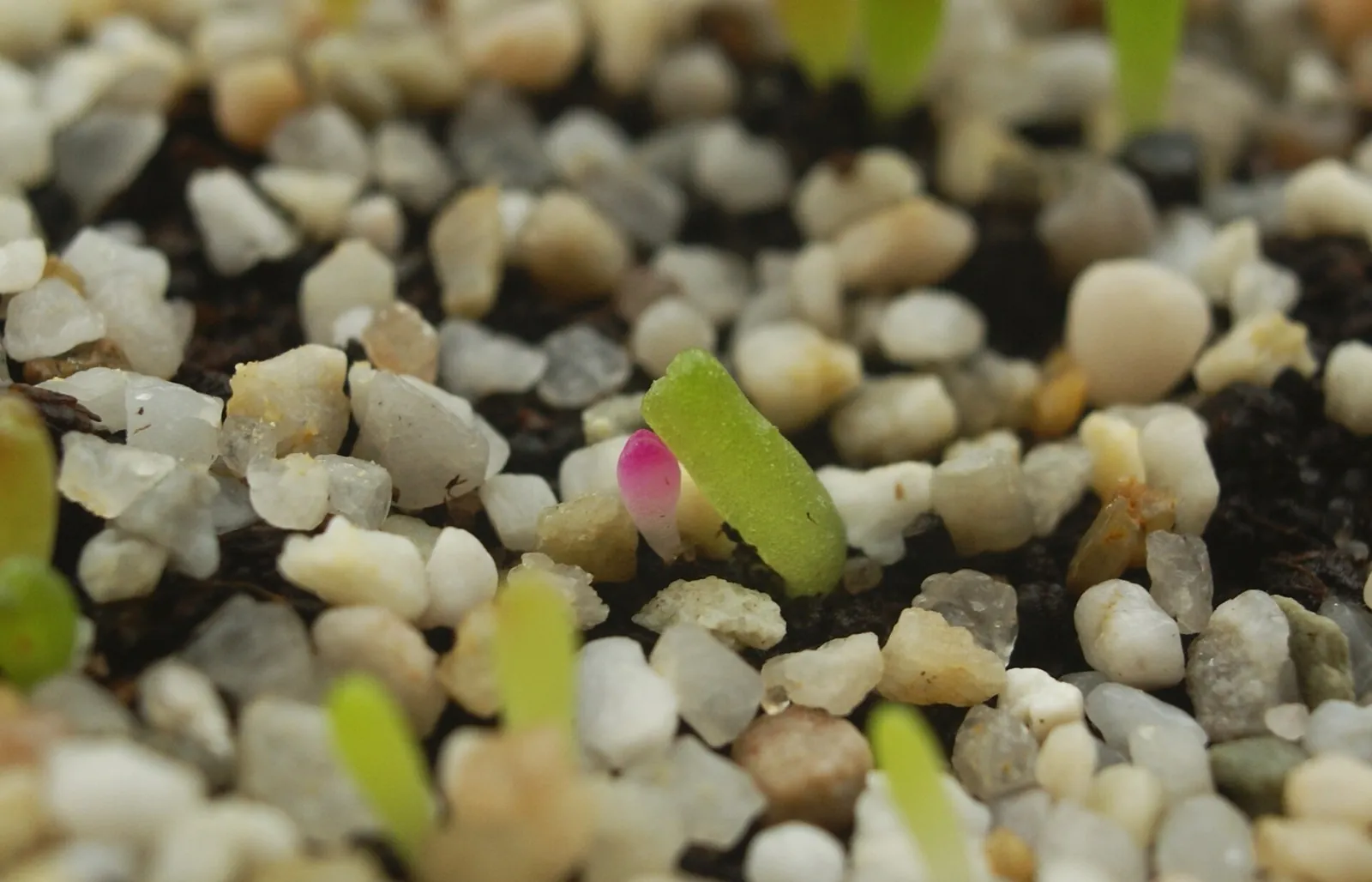
Which crops need a head start, how many weeks before your last frost to sow them, and the list of what you should sow straight in the ground instead.
Photo: Frederick Depuydt · CC BY-SA 4.0, via Wikimedia Commons.
What you need
Your last frost date. Everything counts backward from it.
A seed-starting mix and small containers or trays with drainage
A bright light, either a grow light or the sunniest window you have
Steady warmth for germination, and somewhere to harden the seedlings off later
Starting seeds indoors sounds advanced and mostly isn’t. It takes a warm, bright windowsill and a calendar. Before the how, ask which crops need it, because most of them don’t. You start seeds indoors for one reason, to buy weeks a warm crop needs and your season doesn’t have. For everything else it’s extra work for no gain.
Why do some crops need to be started indoors?
A long-season, frost-tender crop can’t finish if you only sow it outdoors after the last frost, because there aren’t enough warm weeks left. So you start it under cover weeks early and set it out once frost is safely past.
Long-season warm crops are started indoors several weeks before the last frost and set out after it. Tomato and tomatillo go about six weeks ahead, pepper and eggplant about eight, basil six.
If you skip this, it still grows, just less well. The planner suggests it.
How it works: A frost-tender crop with a long days-to-maturity cannot mature if it is only direct-sown after the last frost, because the frost-free window is too short. A head start under cover buys the weeks the season lacks; the seedling is set out only once frost has passed, so the transplant date is still frost-gated.
Evidence: checked against 3 sources in the research-based literature.
Those leads are counted from your last frost date: a tomato started about six weeks ahead, a pepper about eight and an eggplant about eight. Pepper and eggplant carry the longest leads because they’re the slowest to get going. The frost dates guide explains how to find that date; everything here counts backward from it.
How do I time the sowing to my frost date?
The head start indoors doesn’t move the day the plant is allowed outside. Frost sets that day, however big your seedling has gotten.
Don't sow or set out tender crops before your last frost date
So the schedule is two dates. Sow indoors at last-frost-minus-the-lead, and set out on or after the last frost. The very tender crops (tomato, pepper, eggplant) wait about two weeks past it, until the days stay warm, so their seedlings get a little longer inside. Starting too early is a real mistake. A tomato sown ten weeks ahead becomes a leggy, root-bound plant stuck waiting for a frost date that hasn’t moved. Count the weeks, even if you’re eager to start in January.
Which crops should I NOT start indoors?
Most seed-starting guides skip this part. Two whole groups of crops are better off never seeing your windowsill.
Cold-hardy annuals can be sown or transplanted before the last spring frost (hardy crops about three weeks before, half-hardy about two weeks before). Tender crops wait for the frost itself.
If you skip this, it still grows, just less well. The planner suggests it.
How it works: Cold hardiness. Hardy crops tolerate hard frost and half-hardy crops tolerate light frost, so they can occupy the ground weeks before frost-tender crops are allowed in. The offset is measured from the last spring frost.
Evidence: checked against 2 sources in the research-based literature.
Cold-hardy crops such as lettuce, peas, spinach, radishes and many brassicas tolerate frost and can go straight into the ground weeks before the last frost, so starting them indoors adds a transplant step they didn’t need. Large-seeded, fast crops such as beans, squash, cucumbers, corn, carrots and beets resent transplanting and germinate fast in warm soil, so they’re sown directly where they’ll grow. Save the indoor effort for the long-season warm crops that can’t finish without it.
What's the short version of how to do it?
For the crops that do earn a start, sow into a light seed-starting mix and keep it warm until they germinate. Then give them strong light. A bright window works for a few weeks, but seedlings that reach and lean need more, and a cheap grow light fixes it. Before they go outside, harden them off. Over a week or so, give them a few hours of outdoor conditions a day, building up, so the move doesn’t shock them. Then set them out on the frost-gated schedule above. The first bed walkthrough puts the whole sequence together.
The packet compresses one more thing into a number: how deep to sow. The rule is roughly two to three times the seed’s own width, so a big bean goes down a good inch while a fine lettuce seed is barely covered. Sow it too deep and it exhausts itself before it reaches the light.
How deep each seed goes, from our plant records, as a soil cross-section to one scale. Bigger seeds go deeper, the rule of thumb on every seed packet.Source: the sowing depth in each plant’s record.
Further reading
Good places to read more about the technique on this page. The grade on each card comes from that card’s own sources.