Controlling weeds, and the weed folklore that fails
Two habits beat everything: never let a weed set seed, and keep the soil covered. The mulch depths, the shallow hoe, the vinegar myth, and the weeds you plant yourself.
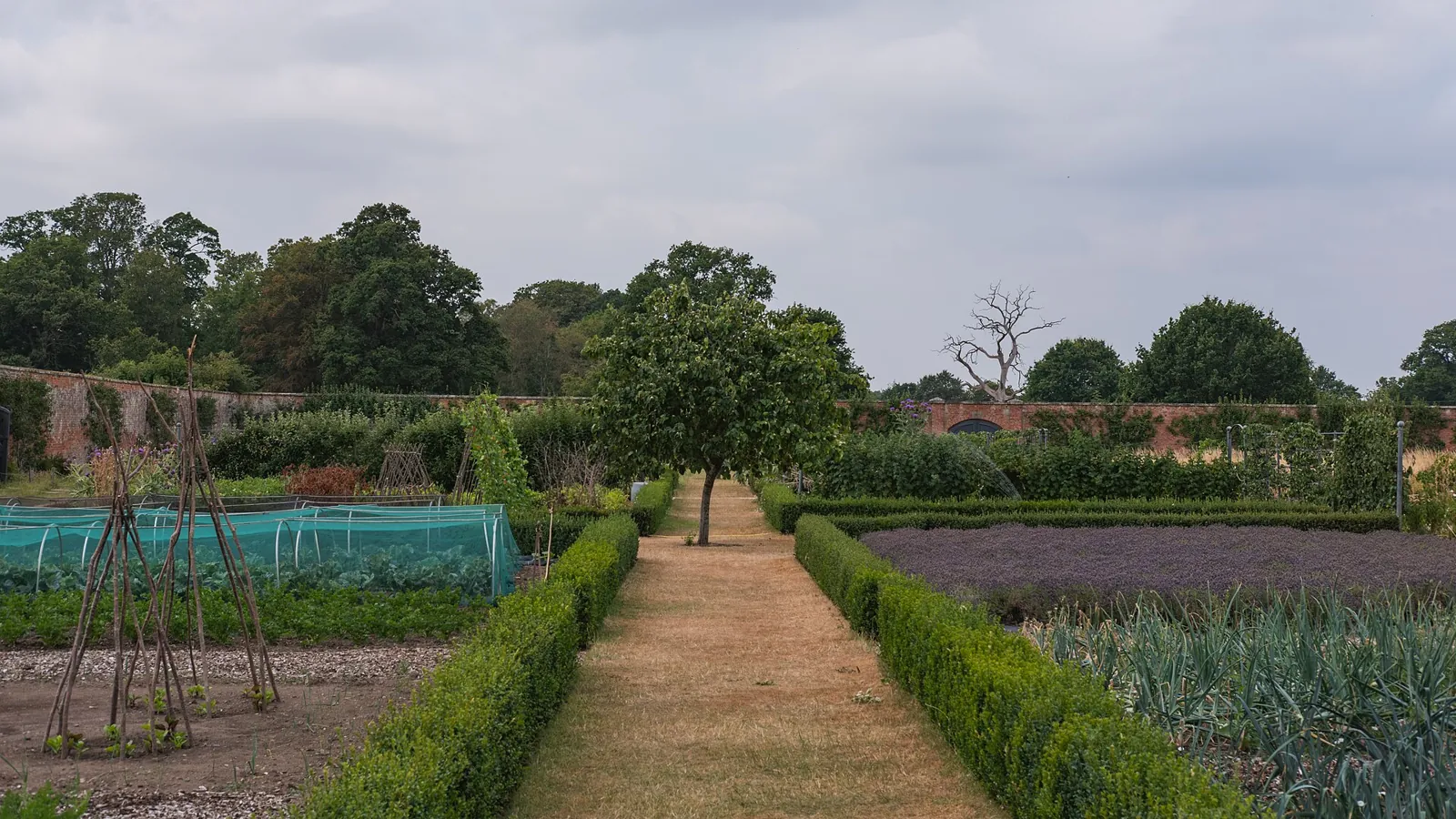
Photo: Christian David · CC BY-SA 4.0, via Wikimedia Commons.
What you need
A sharp hoe, used shallow, and ten minutes a week while weeds are tiny
Mulch (straw, leaves, wood chips, or a living cover)
Ruthlessness about flowers, because a weed that sets seed wins the next five years
Most weed control is two habits: never let a weed set seed, and keep the soil covered so the seeds already there can’t start. Everything else, from hoe technique to mulch depths to the folklore sprays, hangs off those two and can’t replace them.
What's the difference between annual and perennial weeds?
Weeds split into two camps that want opposite treatment, and misreading which one you’re fighting wastes the season.
Annuals, such as lamb’s quarters, purslane and crabgrass, live entirely by seed. Every garden soil already holds a deep bank of it, built up over years of one weed here and there being allowed to flower. You can’t empty the bank. You can stop making deposits (nothing flowers, ever) and stop making withdrawals easy (cover the surface, and disturb the soil shallowly so buried seed stays buried and dark).
Perennials, such as quackgrass, bindweed and Canada thistle, live by their roots. Lay mulch over a living perennial root system and they come up through it. The extension guidance is blunt: unless the perennials are truly gone, they will keep emerging in a new bed. Dig them out first, whole root systems and all, and treat every regrown shoot as a withdrawal from the root’s reserves. Persistence wins this one. There’s no clever shortcut.
How do I stop weeds from coming at all?
Mulch blocks light at the soil surface, so weed seeds can’t get started and small seedlings smother. The depths matter, and the extension figures are specific:
Wood chips, shredded leaves and most organic mulches: about 8 cm3 inches.
Straw and hay: deeper, 10-15 cm4 to 6 inches, because they pack down.
Beside low crops like lettuce and radishes: a lighter 4-5 cm1½ to 2 inches so the mulch doesn’t swallow the row.
There are three cautions. Hay carries its own weed seed, so straw beats hay where you have the choice. Don’t mulch with clippings from a recently herbicide-treated lawn. The compost guide explains that carryover warning in full. And wait to lay organic mulch until the soil has warmed in early summer. On cold spring ground it holds the chill against the crops it’s meant to help.
There’s also a mulch you plant, and it’s the one weed tool in the corpus with a grade:
Living mulch suppresses weeds and conserves soil moisture.
If you skip this, it still grows, just less well. The planner suggests it.
How it works: A living cover keeps a leaf canopy over the ground. It intercepts light at the soil surface, so weed seedlings are shaded out before they establish, and it slows surface evaporation, so the soil holds more water. In a Three Sisters planting this is the squash's role. Its broad leaves shade the bed.
Evidence: checked against 2 sources in the research-based literature.
A low living cover, such as clover under taller crops or a cover crop through the off-season, blocks light the same way and feeds the ground too.
What's the right way to hoe and pull?
The hoe beats the hand for annual weeds, on two conditions the extension guidance is careful about. Use it shallow, a light scrape that cuts seedlings at the surface. Chopping deep damages your vegetables’ roots and lifts a fresh load of buried weed seed into the light. And use it early, while weeds are at the white-thread stage, too small to pull by hand and easiest to kill. Ten unhurried minutes a week in that window replaces an August of misery.
Hand-pulling keeps its place for the perennials (take the whole root) and for anything grown big beside a crop stem where the hoe can’t go. The one rule with no exceptions bears repeating, because it’s the whole seed-bank strategy. Nothing flowers. A weed you haven’t time to pull today can still lose its flower head in passing.
Does vinegar, boiling water or salt really work?
Weed folklore follows the same pattern as the rest of the folklore shelf. A narrow, real effect gets inflated into a general cure. The corpus has checked the popular one:
Vinegar only burns the parts of a weed it touches, so it works on tiny seedlings, but bigger and perennial weeds grow back from the roots. It also harms any plant it hits, crops included. The strong "horticultural" kinds can burn skin and eyes. Use it for seedlings in paving cracks. It isn't a garden weed killer.
What is known
Household vinegar is about 5% acetic acid, a contact herbicide. It burns only the parts of a plant it touches, fastest in bright sun, and gives excellent control of very small annual broadleaf weeds. It does not move to the roots, so larger and perennial weeds can regrow a week or so later, and it is non-selective, injuring any plant it lands on. Stronger products are more dangerous to the person using them. At 11% acetic acid or more, vinegar can burn skin and cause severe eye injury, and 20-30% formulations call for protective gear. It is most useful for weeds in gravel and on patios and sidewalks. It is not a general weed killer.
Excellent control when contacting very small annual broadleaf weeds
Boiling water and flame weeders share vinegar’s profile: real damage to small top growth, nothing to an established root, and no memory of the seed bank waiting underneath. This site doesn’t make herbicide recommendations. Around food crops, even the common ones kill vegetables as readily as weeds, and anyone who chooses that route has to follow the label. The mulch-and-hoe pair above is cheaper and it compounds.
Which weeds do gardeners plant on purpose?
Some of the most stubborn weeds in a food garden arrived in a pot, on purpose, with a receipt. The corpus grades two of them:
Keep mint contained. Planted loose in a bed, it takes over
If you skip this, it still grows, just less well. The planner suggests it.
How it works: Rhizomatous, and stoloniferous, spread. Mint's horizontal underground stems (rhizomes) and its surface runners root at their nodes and send up new shoots, so an unconfined plant expands outward from the crown each season and reappears wherever a node reaches soil. This vegetative creep is why a loose planting takes over a bed, and why the control is a physical soil barrier. Spacing does not contain it.
Evidence: checked against 2 sources in the research-based literature.
Mint spreads quickly in open garden areas and will out-compete most garden plants
Remedy
Grow mint in a container above ground, or plant it in a large bottomless pot or buried edging sunk into the bed (roughly 3-4 inches proud of the soil and 10-15 inches below), so escaping rhizomes are forced up over the lip where they show. Cut back and harvest through the season, and pull any runner that clears the barrier before it roots.
Lemon balm self-sows freely and, left to flower and set seed unchecked, spreads and can take over a bed. Cut back or deadhead the flowering stalks before they set seed to keep it in bounds, or grow it in a container. It is a strong self-seeder that can become weedy, though it is not a listed invasive.
If you skip this, it still grows, just less well. The planner suggests it.
How it works: The spread is chiefly by self-sown seed. A plant left to flower sets abundant seed that drops and germinates in place, so it recurs and expands from year to year. Removing the flowering stalks before seed sets breaks that cycle. Its spread is by seed. It does not travel by the running underground stems that carry its relative mint, though a soil-grown plant can also creep somewhat at its edges.
Evidence: checked against 2 sources in the research-based literature.
While mint can spread rapidly by underground stems, lemon balm spreads by setting lots of seed and can, if allowed to go unchecked start to overtake the garden
Lemon balm, like mint spreads rapidly (becomes weedy) and can take over an herb bed
Remedy
Prune or deadhead the flowering stalks before they set seed, and pull self-sown seedlings while young. Grow it in a container to contain it; for a soil-grown plant, cutting around the plant's edges checks the modest edge-creep. A sterile-flowered cultivar sets no viable seed and does not self-sow.
The pattern generalises: anything sold with the words “vigorous ground cover” deserves a container, a barrier, or a very deliberate decision. It’s a far easier weed to prevent at planting time than to evict in year three, and that’s this whole guide in one sentence.
Further reading
Good places to read more about the technique on this page. The grade on each card comes from that card’s own sources.