Roots are among the easiest crops to grow and the easiest to get subtly wrong. Here's the loose soil they need, why feeding them like leafy crops backfires, and what causes forked carrots.
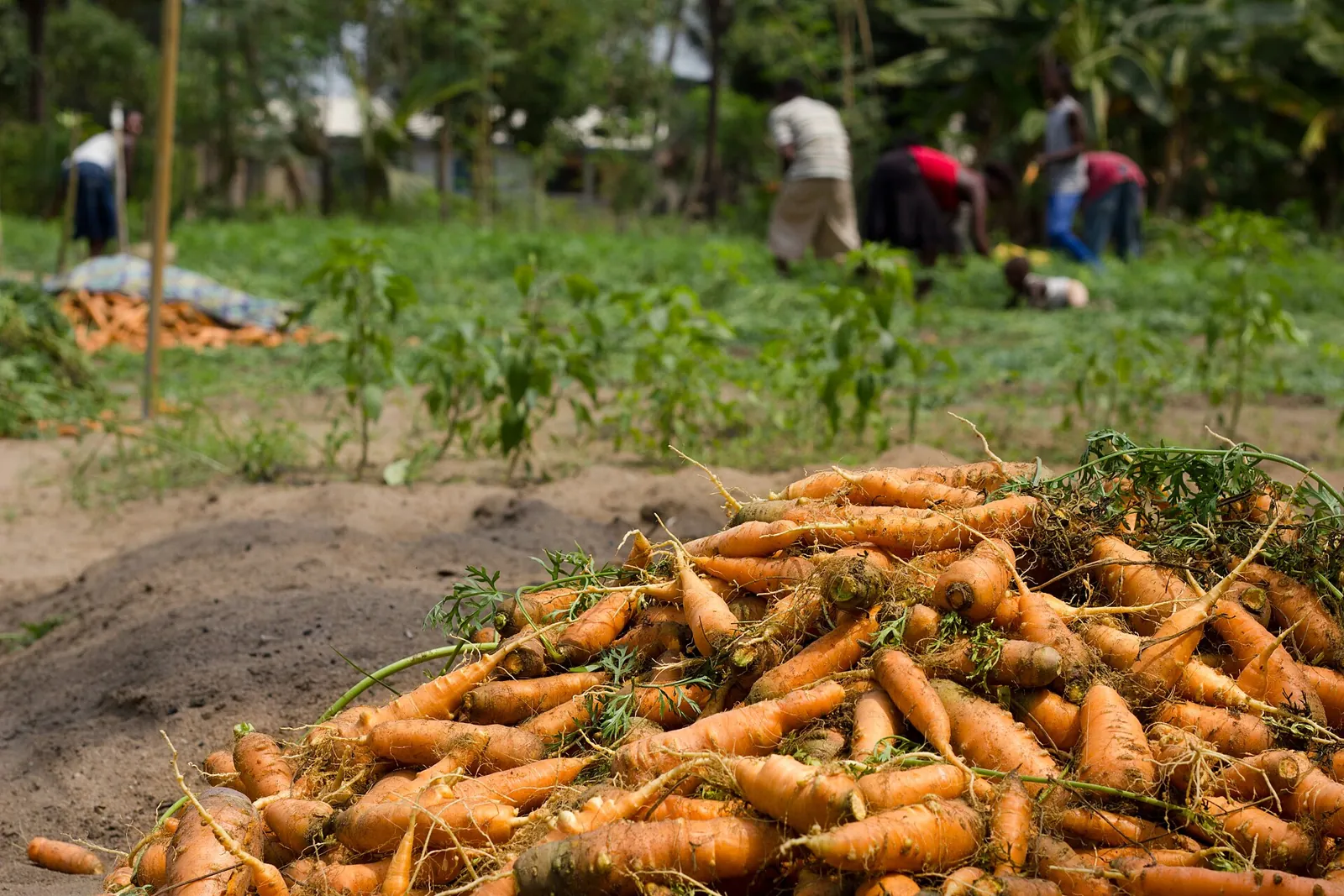
Photo: Chad Skeers · CC BY 2.0, via Wikimedia Commons.
What you need
Loose, stone-free soil worked deep - the single biggest factor in a good root
Restraint with fertilizer - roots are the one group you don’t feed heavily
The willingness to thin the seedlings, which nobody enjoys and everybody must
Carrots, beets, radishes, turnips, and parsnips are some of the most rewarding crops for a home garden. They’re cheap from seed, productive in a small space, and better fresh than anything from a shop. They’re also easy to get wrong in two specific ways. Learn both before you sow, because you can’t fix either one after the root has formed.
Should I feed root crops like I feed leafy greens?
The most common mistake is feeding a root crop the way you’d feed a tomato or a patch of greens. It backfires:
Do not apply fresh high-N fertilizer to root crops.
If you skip this, it still grows, just less well. The planner suggests it.
How it works: Excess N drives foliage at the expense of root bulking. (Forking is a separate problem, caused by rocks, compaction, or coarse/fresh organic matter in the root path. Nitrogen does not cause it.)
Evidence: checked against 2 sources in the research-based literature.
A root vegetable stores its energy in the root, and a big dose of nitrogen tells the plant to spend that energy on leaves. Feed carrots heavily and you get a magnificent head of feathery top growth sitting on a stunted, hairy little root. So roots are the one group you deliberately don’t push with high-nitrogen fertilizer. That’s why the interim advice, before you have a soil test, is “feed the heavy feeders, don’t feed the root crops, add compost”. Compost’s gentle, balanced fertility is all a root wants.
What kind of soil do roots need, and what makes a carrot fork?
The other half of a good root is the ground it grows into. A root can only be as straight and smooth as the soil lets it be, so the goal is soil that’s loose and open to a good depth with nothing hard in the way. The rule above also clears up a myth. Nitrogen doesn’t cause forked and split carrots. They’re caused by the root hitting something as it grows down:
a stone or clod it has to divide around,
compacted ground it can’t push through,
or a lump of coarse, fresh organic matter in its path.
So the fix for forking is physical: dig the bed deep, break up clods, pull out stones, and keep fresh chunky material out of the root zone. This is one of the best reasons to grow roots in a raised bed. A deep bed of loose, screened soil is exactly what a long carrot or parsnip wants, and it’s hard to build that in rocky native ground.
Do I sow root crops direct, and do I really need to thin them?
Two habits finish the job:
Sow where they’ll grow. Roots resent being transplanted, because disturbing the taproot deforms it, so they’re sown directly in the ground. Radishes come up in days; carrots and parsnips are slow: carrots take 6–17 days to come up and parsnips 14–21, so don’t give up on them.
Thin ruthlessly. This is the step everyone hates and nobody should skip. Seedlings come up far too thick, and roots crowded shoulder to shoulder stay small and tangled. Thin them to the spacing on the packet while they’re tiny, and eat the thinnings.
How do I time root crops for a steady supply?
Most roots are cool-season crops that can go in early and again for fall. Many of them (carrots, beets, parsnips) turn sweeter after a frost, as the plant converts starch to sugar. Radishes are so fast they’re the textbook succession crop: a short sowing every 7–10 days keeps them coming without a glut. Get the soil loose, keep the nitrogen modest, thin without mercy, and root crops are about as close to reliable as gardening gets.
Further reading
Good places to read more about the technique on this page. The grade on each card comes from that card’s own sources.