Why tomatoes rot at the bottom, and how to stop blossom-end rot
The sunken black patch on the bottom of your tomatoes isn't a disease and usually isn't a calcium shortage, so eggshells and Epsom salts won't help. Here's what it is and the fix that works.
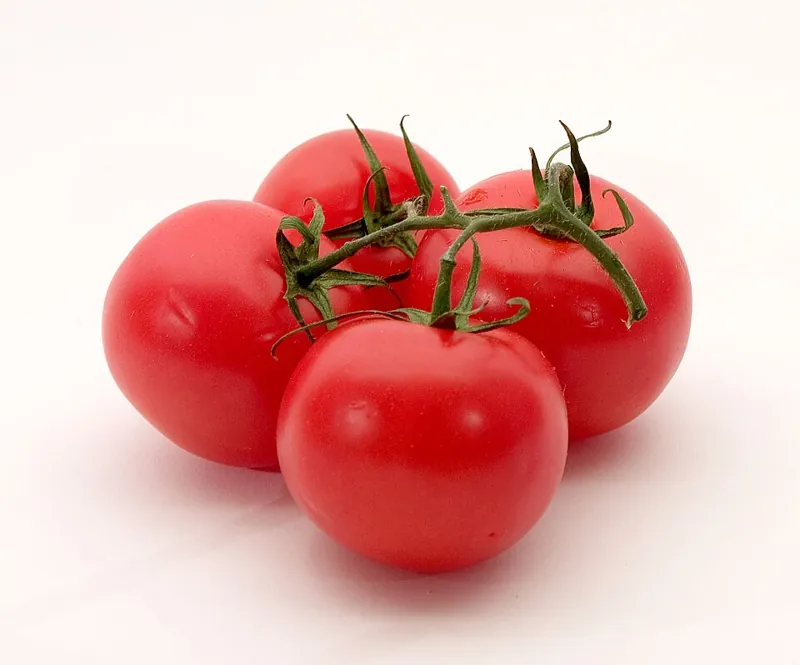
A determinate tomato in fruit; cultivars vary widely. Photo: Softeis · CC BY-SA 3.0, via Wikimedia Commons.
What you need
Even, consistent watering, the biggest lever (uneven watering is the real cause)
Mulch, to buffer the soil’s moisture between waterings
Patience, because the first fruits often get it and later ones don’t as the plant settles in
You go out to check the tomatoes and find a leathery, sunken black patch spreading across the bottom of the fruit. It looks like a disease and it feels like a disaster, and the internet will immediately tell you to bury eggshells or drench the plant in Epsom salts. Before you do either, know what blossom-end rot is, because both of those famous fixes are aimed at the wrong problem.
What is that black patch on the bottom of my tomato?
Blossom-end rot isn’t a fungus or a pest, and it usually isn’t a shortage of calcium in your soil either:
Blossom-end rot comes from uneven watering, which stops calcium reaching the fruit. It is usually not caused by too little calcium in the soil.
If you skip this, it still grows, just less well. The planner suggests it.
How it works: Calcium reaches the fruit in the water the roots draw up, carried by the xylem along with that stream. When the supply of water is interrupted the supply of calcium is interrupted with it, and the enlarging fruit runs short at its tip, even where soil calcium is adequate.
Evidence: checked against 3 sources in the research-based literature.
Calcium is taken up from the soil through the plants
Plus one working note on how the sources were read.
Remedy
Keep the soil evenly moist, without letting it dry out and then soaking it, and mulch to hold that moisture steady. We are not naming a calcium amendment or a rate, because the sources disagree on whether adding calcium helps at all, and any amendment number would need a soil test first.
Calcium moves through the plant dissolved in the water the roots draw up, riding the stream from root to fruit. When the soil dries out hard, then gets flooded, then dries again, the calcium delivery stutters too, and the fast-growing tip of the fruit runs short just as it’s expanding. The soil can be rich in calcium and the fruit still goes short, because the problem is getting the calcium there. That’s why the disorder shows up in hot spells, in containers that dry fast, and on the earliest fruit before the plant’s root system is established.
Why don't eggshells or Epsom salts fix it?
Both of the classic remedies assume your soil is short on calcium, so both miss:
Crushed eggshells in the planting hole prevent blossom-end rot.
Eggshells in the planting hole won't stop blossom-end rot. BER is a calcium-transport problem caused by uneven watering. It's rarely a soil-calcium shortage, and adding calcium to the soil is generally ineffective. Water evenly, mulch to steady the moisture, and soil-test before adding anything.
What is known
Blossom end rot is rarely a soil-calcium shortage. It is usually a calcium-transport failure inside the plant, driven by uneven watering (calcium rides the water stream, so erratic moisture starves the fruit tip even when soil calcium is fine; see the belief that Epsom salts prevent blossom-end rot). The real levers are even watering and mulch, and a soil test before adding any amendment.
The source
yardandgarden.extension.iastate.edu
Blossom End RotIowa State University Extension, Yard & Garden
This is a problem born of calcium deficiency, most often the result of erratic watering
Epsom salts won't stop blossom-end rot. BER is a calcium-transport problem caused by uneven watering. A magnesium shortage doesn't cause it, and Epsom salts add magnesium, not calcium. Water evenly, mulch to buffer soil moisture, and soil-test before adding anything.
What is known
Blossom end rot is a localized calcium shortage in the fruit, driven by uneven water uptake. Calcium rides the transpiration stream, so erratic watering starves the fruit tip even when soil calcium is adequate. It is not a magnesium deficiency. Epsom salts add magnesium, not calcium, and the calcium is usually already in the soil, so they do nothing for BER. The levers are even watering and mulch; get a soil test before adding any nutrient.
The source
yardandgarden.extension.iastate.edu
Blossom End RotIowa State University Extension, Yard & Garden
This is a problem born of calcium deficiency, most often the result of erratic watering
The eggshells fail twice over. The soil usually isn’t short on calcium in the first place, and even if it were, crushed eggshell takes seasons to break down and releases nothing this year. The Epsom salts are worse than useless. Epsom salt is magnesium, and magnesium competes with calcium for uptake, so you’re nudging the plant in the wrong direction.
What stops blossom-end rot?
The fix follows from the mechanism. If uneven water interrupts calcium delivery, even water is the cure.
Water evenly and consistently. This matters most. Don’t let the soil swing between bone-dry and soaked. A steady moisture level keeps the calcium moving. The how to water guide covers watering deep, on a check-the-soil rhythm.
Mulch. A layer of mulch buffers the soil’s moisture between waterings and in the heat, smoothing out exactly the swings that cause the problem.
Don’t push it with nitrogen. Heavy feeding drives fast, lush growth that outruns the plant’s ability to deliver calcium to the fruit, so ease off high-N fertilizer on fruiting tomatoes.
If you suspect a soil problem, test it. A soil test will tell you whether calcium or pH is off, so you aren’t guessing with amendments the fruit can’t use this season.
And take heart: blossom-end rot often fixes itself. The first tomatoes of the season are the most prone, and as the plant’s roots establish and the weather steadies, the later fruit usually comes in clean. Pick off the affected fruit so the plant stops spending on it, even out the water, and wait.
Further reading
Good places to read more about the technique on this page. The grade on each card comes from that card’s own sources.