Don't plant berries where the tomatoes were: the rotation rule that rotation misses
You can rotate perfectly, wait three years, clear the debris, and still kill a raspberry patch. Verticillium ignores plant families and lingers in soil for years.
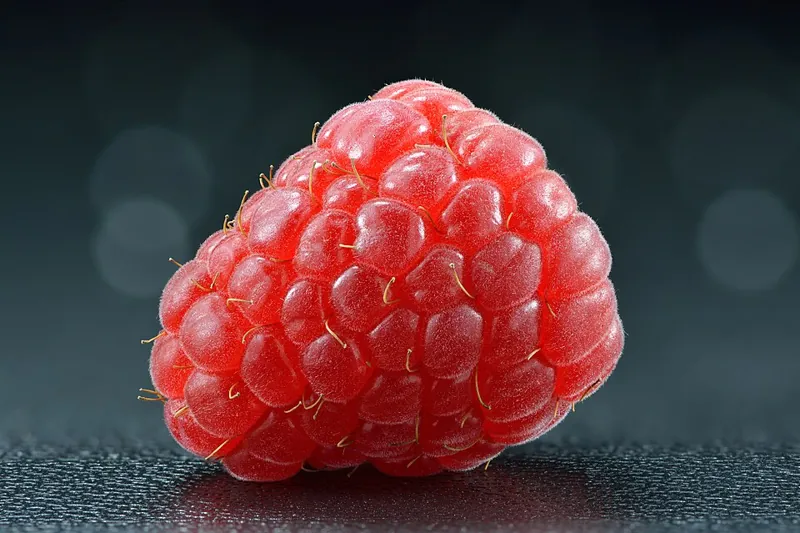
Photo: Ivar Leidus · CC BY-SA 4.0, via Wikimedia Commons.
What you need
What grew in that ground for the last several years, crop by crop. The family alone isn’t enough
Somewhere else to put the perennial, if the answer is bad
Patience, because the alternative is measured in years
Here’s a way to lose a raspberry patch while doing everything right.
You grew tomatoes in a bed for a few years. You rotated them out properly, waited the full interval, cleared the debris, planted something from a completely different family in between. Then you decided that bed would make a good permanent home for raspberries, put in six canes, and watched them wilt one at a time over the next two summers.
Nothing you did was careless. The rotation you performed is the right rotation. It’s aimed at a different problem from the one that killed the canes.
What is ordinary crop rotation supposed to prevent?
Don't plant nightshades where nightshades grew in the last 3 years
If you skip this, you lose real yield. The planner warns you.
How it works: Alternaria solani (early blight) and Septoria lycopersici overwinter on tomato debris and solanaceous weeds; a 2-3 year break plus debris removal starves this inoculum. Fusarium has a very narrow host range, so rotating away from the host is effective. Verticillium is the exception. Its microsclerotia persist ~10 years and it infects 300+ host families, so a garden-scale rotation does not control it.
Evidence: checked against 5 sources in the research-based literature.
Verticillium wilt tends to affect a wide range of hosts and can infect many unrelated plants. Fusarium spp., on the other hand, have very narrow host ranges.
Remedy
Plant nightshades in different ground, or wait until 3 years have passed since this ground last held them. Clear and remove the old debris either way, because the inoculum overwinters on it.
Read that mechanism closely, because it does something unusual: it names its own exception.
The three-year interval works because it starves specific organisms. Early blight and Septoria overwinter on tomato debris and nightshade weeds. Clear the debris, deny them a host for a few seasons, and the population collapses. Fusarium has a narrow host range, so moving away from that host works.
And then the same mechanism says plainly that Verticillium isn’t like that. It survives as tiny resting bodies for around ten years, and it infects more than three hundred host families. A garden-scale rotation doesn’t control it.
Rotation is a tool with a shape, and this pathogen is the wrong shape for it.
I rotated to a different family - why did the berries still die?
Almost every rotation tool you can find, and most gardening advice generally, reasons in families. Nightshades follow legumes, brassicas follow roots, don’t repeat a family within N years. That reasoning is sound for the organisms it was built around.
Verticillium works differently. It sits in the soil as a durable resting structure, waits, and infects across a range so wide that “different family” tells you almost nothing. Tomato and raspberry (Solanaceae and Rosaceae) aren’t related in any way that matters to a gardener, and the fungus moves between them without any trouble.
Don't follow a Verticillium host with raspberries, strawberries or stone fruit
If you skip this, you lose real yield. The planner warns you.
How it works: Verticillium dahliae persists in soil as microsclerotia and infects a wide host range spanning nightshades and rose family. There is no in-ground cure once a susceptible perennial is planted, so it can wilt and die from inoculum an earlier host left behind. Because the reservoir family may differ from the victim's, the same-family rotation intervals miss it.
Evidence: checked against 3 sources in the research-based literature.
Verticillium wilt is caused by two common soilborne fungi (Verticillium dahliae and Verticillium albo-atrum) that have a wide host range
www.umass.edu
Brambles - DiseasesUMass Extension, New England Small Fruit Management Guide
Verticillium attacks a wide range of plants, including potatoes, tomatoes, peppers, eggplant and strawberries. It overwinters in the soil and on plant debris. Do not plant [raspberries following these crops].
Verticillium Wilt of Tomato and Eggplant NC State Extension
Verticillium Wilt of Tomato and Eggplant
Remedy
Site the perennial on ground with no recent nightshades, or choose one that is not Verticillium-susceptible. Extension advises growing a non-host (corn or a small grain) for at least two years first, without claiming that clears the soil. Once the perennial is planted there is no in-ground cure.
The reservoir crops named by the sources behind that card make a strange-looking list, and it’s one to memorise: tomatoes, potatoes, eggplant, peppers, strawberries, raspberries and stone fruit. Four nightshades and three rose-family fruits, sharing nothing except a susceptibility to the same soil fungus.
How is this different from a normal rotation slip-up?
Plant your tomatoes too soon after tomatoes and you get a bad year. It’s annoying, and next season you do better.
A perennial is different. You plant raspberries, or strawberries, or a stone fruit tree, once, and then it stays for years. Penn State is blunt about the consequence: there are no effective fungicides once the plants are in the ground.
So this decision gets made exactly one time, on the day you choose the site, and it can’t be revisited afterwards. That’s why the rule fires at planting. A later warning would come too late to use.
How do I know if my ground is at risk?
The site checks this twice, and the difference between them decides what it can catch.
Don't plant raspberries, strawberries or stone fruit where your log shows a wilt host
If you skip this, you lose real yield. The planner warns you.
How it works: The same soil reservoir as the wilt rule for ground that grew the tomato family (Verticillium dahliae microsclerotia). This rule adds the gardener's own record: a logged strawberry, raspberry or other bramble, or stone fruit counts as an earlier host, while a rose family that is not a host, like apple, does not.
Evidence: checked against 2 sources in the research-based literature.
To minimize ... disease, choose a planting site with no known history of this problem. Avoid land recently planted with tomatoes, potatoes, eggplants, peppers, strawberries, raspberries, or stone fruits
www.umass.edu
Brambles - DiseasesUMass Extension, New England Small Fruit Management Guide
Verticillium attacks a wide range of plants, including potatoes, tomatoes, peppers, eggplant and strawberries.
Plus one working note on how the sources were read.
Remedy
Site the perennial where the log shows no previous Verticillium host, or choose one that is not susceptible. Extension advises growing a non-host (corn or a small grain) for at least two years first, without claiming that clears the soil. Once the perennial is planted there is no in-ground cure.
The first check is coarse. It asks whether nightshades grew in that ground recently. That’s all a history checkbox can ever express, and it’s useful. It catches the tomato and potato case, which is the common one.
The second is precise. It reads the actual species your season log recorded. That matters because of the Rosaceae half of the list. A previous strawberry bed or an old raspberry row is a reservoir, and a family-level check looking for nightshades sails straight past it. Meanwhile a non-host rose-family plant, an apple say, correctly doesn’t trigger anything. A blunt “no Rosaceae” rule would get that wrong in the other direction.
That precision is the practical payoff of logging what you grew. A ticked box can’t carry it.
So what should I do before planting?
Site it somewhere else. The first and best answer. If the ground has recent history with anything on that list, put the perennial elsewhere. Perennials go in once; spend the effort on the choice while it’s still free.
Or grow a non-host first, and understand what that does and doesn’t buy. Extension advises corn or a small grain for at least two years before planting brambles. The guidance does not claim two years clears the soil. Penn State states outright that the number of years required to eliminate Verticillium from soil is unknown, and the resting spores last something like a decade.
So two years of corn improves your odds. It isn’t a certificate. Anyone who tells you a specific number of years makes ground safe is quoting a figure nobody has.
Or plant something that isn’t susceptible. Currants and gooseberries, for instance, aren’t on the list. They come with their own siting question instead.
The short version
Rotation protects against pathogens that starve without their host. Verticillium doesn’t starve. It waits, across three hundred host families, for about ten years. So before planting any perennial berry or stone fruit, ask “what grew in this ground, and was any of it on the list?” “Did I rotate properly” won’t catch it. Get this one right on the day you plant, because there’s no second decision.
Further reading
Good places to read more about the technique on this page. The grade on each card comes from that card’s own sources.