Frost dates for Leesburg Municipal Airport, Florida
Half of years have their last spring frost by January 26, but 1 year in 10 still frosts after February 21.
The pale stroke is about 346 days with no frost, in half of years.
From NOAA’s own record at Leesburg Municipal Airport, 1991–2020 · Well established
How to read this
- The pale stroke is the season with no frost.
- The marked line is when frost is likely: more marks, more likely.
- It reads clockwise from January at the foot, with midsummer at the top.
A frost date is really a percentile from 30 years of records at a nearby weather station
in about half of years a frost still comes after the median date. Both numbers are below, so you can choose the risk yourself.
The odds
Last spring frost
How often a frost still comes on or after each date.
- 1 year in 10
- February 21
- 1 year in 5
- February 11
- 3 years in 10
- February 3
- 2 years in 5
- January 31
- Half of years (the median)
- January 26
First fall freeze
How often the first freeze comes on or before each date.
- 1 year in 10
- December 17
- 1 year in 5
- December 27
- 3 years in 10
- January 1
- 2 years in 5
- January 5
- Half of years (the median)
- January 9
- Growing season
- about 346 days
- Hardiness zone nearby
- 9b
- Summer days
- a usual high of about 33 °C91 °F
- Lettuce and spinach run to seed
- April to September, in hot, long days (how we know)
From NOAA’s own record at Leesburg Municipal Airport, 1991–2020 · Well established
NOAA NCEI 1991–2020 Climate Normals, the Leesburg Municipal Airport station (listed by NOAA as Leesburg Muni Ap, USW00012819), at 28.82, -81.81. These are that station’s own records, unshifted. The further your garden is from it, the less exactly they describe your ground. The planner finds the nearest station to your garden and lowers its confidence with distance, so no number is presented as if it were measured in your garden.
Cold air also pools in low ground on the clear, still nights when frost happens, so a hollow can freeze while a slope a few hundred feet away does not. No table can know that about your garden. A few seasons of your own logged frosts can.
Summer and rain
A growing garden needs about 25 mm1 in of water a week, rain and watering together
Here is what a normal month brings.
- Hot-weather watering
- June to August: days run above 32 °C90 °F and nights stay above 21 °C70 °F, so expect to water daily or every other day (how we know)
Month by month
Each month’s usual high and low at Leesburg Municipal Airport, Florida
Each month’s usual high and low, 33 °C92 °F to 9 °C49 °F
- January
- high ~21 °C70 °F · low ~9 °C49 °F · rain ~64 mm2.5 in
- February
- high ~23 °C73 °F · low ~11 °C52 °F · rain ~53 mm2.1 in
- March
- high ~25 °C77 °F · low ~13 °C56 °F · rain ~82 mm3.2 in
- April
- high ~28 °C83 °F · low ~16 °C62 °F · rain ~52 mm2 in
- May
- high ~31 °C88 °F · low ~20 °C68 °F · rain ~68 mm2.7 in
- June
- high ~33 °C91 °F · low ~23 °C73 °F · rain ~177 mm7 in
- July
- high ~33 °C91 °F · low ~24 °C75 °F · rain ~149 mm5.9 in
- August
- high ~33 °C92 °F · low ~24 °C75 °F · rain ~168 mm6.6 in
- September
- high ~32 °C90 °F · low ~23 °C73 °F · rain ~132 mm5.2 in
- October
- high ~29 °C85 °F · low ~19 °C66 °F · rain ~66 mm2.6 in
- November
- high ~25 °C77 °F · low ~14 °C57 °F · rain ~45 mm1.8 in
- December
- high ~22 °C72 °F · low ~11 °C52 °F · rain ~55 mm2.2 in
Working with these dates
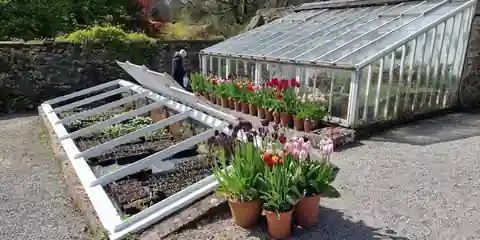 How to read a planting calendarAnd remember the date itself is a probability
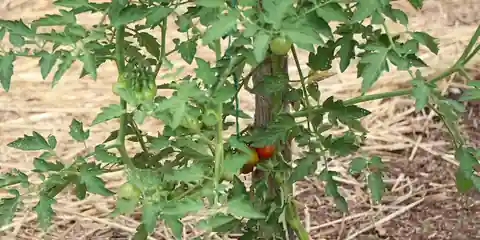 Growing tomatoes, starting with bush or viningPlanting: late, deep, and not before the frost is done
 Floating row covers: frost protection, pest exclusion, and the one ruleThe three things a row cover does
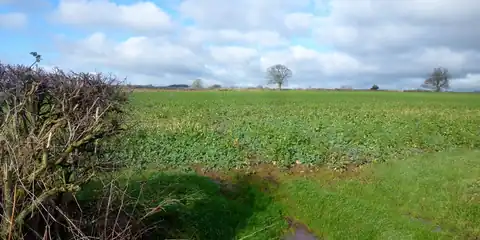 Cover crops and green manure for the home gardenHow to fit one into a small garden
Photo credits
How to read a planting calendar. Photo: Oliver Dixon · CC BY-SA 2.0, via Wikimedia Commons.
Growing tomatoes, starting with bush or vining. Photo: NPS · Public domain, via Wikimedia Commons.
Floating row covers: frost protection, pest exclusion, and the one rule. Photo: George Chernilevsky · Public domain, via Wikimedia Commons.
Cover crops and green manure for the home garden. Photo: Jonathan Billinger · CC BY-SA 2.0, via Wikimedia Commons.


ZIP codes nearest this station
32162, 32778, 34705, 34731, 34737, 34748, 34762, 34797.
Nearby stations
The nearest stations and how their last-frost dates compare
Together they show how frost varies across your area.
- Orlando Sanford Airport, FLlast frost by January 24
- Kissimmee, FLlast frost by January 28
- Gainesville Regional Airport, FLlast frost by March 3
- Tarpon Springs Sewage Plt, FLlast frost by January 20
- Tampa International Airport, FLfrost is rare
- St Petersburg International Airport, FLfrost is rare
Other stations in Florida.
- Jacksonville Naval Air Station, FLlast frost by February 1
- Sarasota Bradenton Airport, FLfrost is rare
- Nettles Island, FLfrost is rare
- Fort Myers Page Field Airport, FLfrost is rare
- Palm Beach Gardens, FLfrost is rare
- West Palm Beach International Airport, FLfrost is rare
- Naples Municipal Airport, FLfrost is rare
- Marco Island, FLfrost is rare
When do I plant? · Where the dates come from
More ways Milpa can help
When do I plant? · What grows well together? · What can I plant now? · Something wrong in the garden? · Heard a tip?
With a free account: Plan your garden · Keep a garden diary