Frost dates for Chandler Heights, Arizona
Half of years have their last spring frost by February 1, but 1 year in 10 still frosts after February 27.
The pale stroke is about 315 days with no frost, in half of years.
From NOAA’s own record at Chandler Heights, 1991–2020 · Well established
How to read this
- The pale stroke is the season with no frost.
- The marked line is when frost is likely: more marks, more likely.
- It reads clockwise from January at the foot, with midsummer at the top.
A frost date is really a percentile from 30 years of records at a nearby weather station
in about half of years a frost still comes after the median date. Both numbers are below, so you can choose the risk yourself.
The odds
Last spring frost
How often a frost still comes on or after each date.
- 1 year in 10
- February 27
- 1 year in 5
- February 18
- 3 years in 10
- February 12
- 2 years in 5
- February 5
- Half of years (the median)
- February 1
First fall freeze
How often the first freeze comes on or before each date.
- 1 year in 10
- November 23
- 1 year in 5
- November 29
- 3 years in 10
- December 3
- 2 years in 5
- December 7
- Half of years (the median)
- December 11
- Growing season
- about 315 days
- Hardiness zones nearby
- 9a, 9b
- Summer days
- a usual high of about 40 °C103 °F
- Lettuce and spinach run to seed
- April to September, in hot, long days (how we know)
From NOAA’s own record at Chandler Heights, 1991–2020 · Well established
NOAA NCEI 1991–2020 Climate Normals, the Chandler Heights station (listed by NOAA as Chandler Heights HCN, USC00021514), at 33.21, -111.68. These are that station’s own records, unshifted. The further your garden is from it, the less exactly they describe your ground. The planner finds the nearest station to your garden and lowers its confidence with distance, so no number is presented as if it were measured in your garden.
Cold air also pools in low ground on the clear, still nights when frost happens, so a hollow can freeze while a slope a few hundred feet away does not. No table can know that about your garden. A few seasons of your own logged frosts can.
Summer heat
- Hot-weather watering
- June to September: days run above 32 °C90 °F and nights stay above 21 °C70 °F, so expect to water daily or every other day (how we know)
Month by month
Each month’s usual high and low at Chandler Heights, Arizona
Each month’s usual high and low, 40 °C104 °F to 4 °C39 °F
- January
- high ~19 °C66 °F · low ~5 °C41 °F
- February
- high ~21 °C69 °F · low ~6 °C43 °F
- March
- high ~25 °C76 °F · low ~9 °C48 °F
- April
- high ~29 °C85 °F · low ~12 °C53 °F
- May
- high ~34 °C93 °F · low ~17 °C62 °F
- June
- high ~39 °C103 °F · low ~22 °C71 °F
- July
- high ~40 °C104 °F · low ~26 °C78 °F
- August
- high ~39 °C103 °F · low ~25 °C78 °F
- September
- high ~37 °C98 °F · low ~22 °C72 °F
- October
- high ~30 °C87 °F · low ~15 °C59 °F
- November
- high ~23 °C74 °F · low ~8 °C47 °F
- December
- high ~18 °C64 °F · low ~4 °C39 °F
Working with these dates
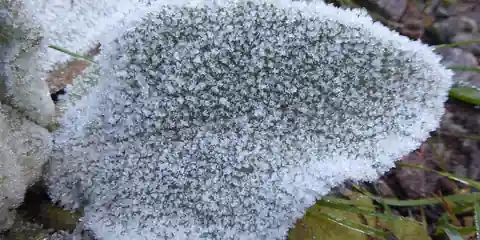 Understanding your frost datesA frost date is a probability
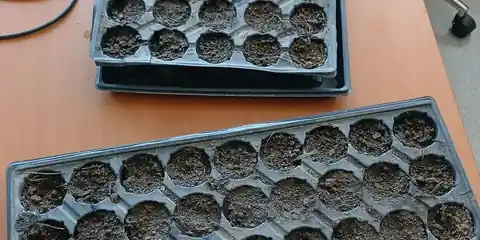 Starting seeds indoorsThe transplant date is still frost-gated
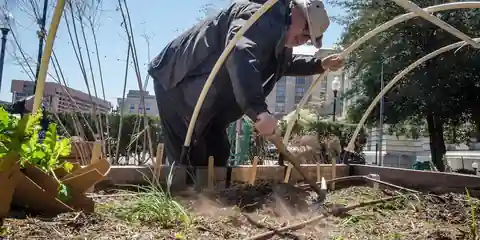 How to transplant seedlingsFirst, harden it off
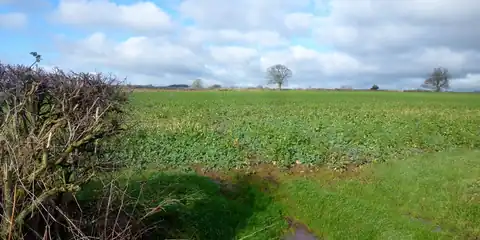 Cover crops and green manure for the home gardenHow to fit one into a small garden
Photo credits
Understanding your frost dates. Photo: Syrio · CC BY-SA 4.0, via Wikimedia Commons.
Starting seeds indoors. Photo: Furkan Akkurt · CC BY-SA 4.0, via Wikimedia Commons.
How to transplant seedlings. Photo: USDAgov · Public domain, via Wikimedia Commons.
Cover crops and green manure for the home garden. Photo: Jonathan Billinger · CC BY-SA 2.0, via Wikimedia Commons.


ZIP codes nearest this station
85140, 85142, 85143, 85147, 85248, 85249, 85286, 85295, 85297, 85298.
Nearby stations
The nearest stations and how their last-frost dates compare
Together they show how frost varies across your area.
- Laveen 3 SSE, AZlast frost by January 14
- Phoenix Deer Valley Municipal Airport, AZlast frost by January 8
Other stations in Arizona.
When do I plant? · Where the dates come from
More ways Milpa can help
When do I plant? · What grows well together? · What can I plant now? · Something wrong in the garden? · Heard a tip?
With a free account: Plan your garden · Keep a garden diary