At least 4 m²43 ft². If your bed is smaller, the planner grays this plant team out, says why, and offers the nearest adaptation that fits. It never swaps in something else without telling you.
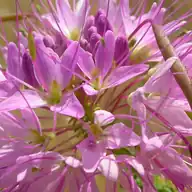
How it works: The flowers supply nectar and pollen that adult predators and parasitoids feed on, so a patch of them near a fruiting crop keeps those beneficial insects fed and close by to work the crop. The effect is real but not guaranteed. An insectary patch does not always suppress pests.
Evidence: checked against 1 source in the research-based literature.
Insectary plants are those grown to attract, feed, and shelter insect parasites (parasitoids) and predators to enhance biological pest control. Insectary plants provide nectar and pollen, which the adults of many natural enemy species need to consume.
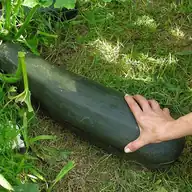
Squash foliage suppresses weeds and retains soil moisture
How it works: A living cover keeps a leaf canopy over the ground. It intercepts light at the soil surface, so weed seedlings are shaded out before they establish, and it slows surface evaporation, so the soil holds more water. In a Three Sisters planting this is the squash's role. Its broad leaves shade the bed.
Evidence: checked against 2 sources in the research-based literature.
If you skip this, you lose real yield. The planner warns you.
How it works: Soilborne inoculum and overwintering pest stages disperse across the bed. A plant team dominated by one family forecloses that ground for that family's rotation interval.
Evidence: checked against 2 sources in the research-based literature.
Remedy
Rotate the whole bed the plant team occupied, including rows that family never grew in.
If you skip this, you lose real yield. The planner warns you.
How it works: Many fruit trees carry self-incompatibility alleles at a single locus. When a pollen grain shares an allele with the pistil it lands on, the pistil rejects it and no seed sets. A plant's own pollen always shares its alleles, so it cannot fertilize itself. Neither can a second tree of the identical variety, which is genetically the same. Fertilization needs pollen from a genetically distinct plant.
Evidence: checked against 2 sources in the research-based literature.
Japanese plum exhibits gametophytic self-incompatibility (GSI), a prezygotic reproductive barrier where genetically related pollen is rejected by the pistil ... governed by a polymorphic locus (S) ... Self-incompatibility occurs when the same S-allele is expressed in the haploid pollen grain and the diploid pistil.
Remedy
Plant at least two, and where the species needs a second cultivar make them different varieties. Two of the same will not pollinate each other.
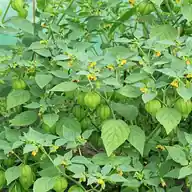
A new combination, built around a hard structural fact most plans get wrong. Tomatillo is self-incompatible and needs two plants to set fruit. The plant team exists to make that requirement unmissable.