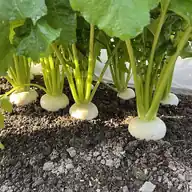
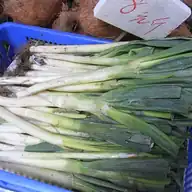
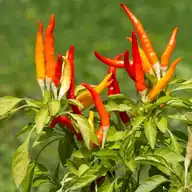
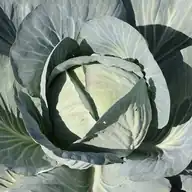
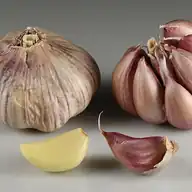
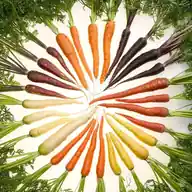
Bok choy, mizuna, green onion, pepper, broccoli, garlic and carrot, grown together for the wok.
Why these are grouped
Chosen for the kitchen. Grouped for the wok: bok choy, mizuna, green onion, pepper, broccoli, garlic and carrot. The plants were picked for the recipe, and one pairing helps as well. The alliums in it (green onion and garlic) reduce carrot rust fly damage on the carrot. It is the one bundle here that is more than a shared recipe.
At least 1.5 m²16 ft². If your bed is smaller, the planner grays this plant team out, says why, and offers the nearest adaptation that fits. It never swaps in something else without telling you.
Between seasons
Nothing is left living in the bed over winter; the whole planting is re-established.
The planner won’t plan around this claim. What is known instead is below.
What is known: Some plant teams rest on a real way one plant acts on another. A kitchen bundle says only that you'll want these things in the same bowl. Both are good ways to plant. Only the first has plants working on each other.
If you skip this, you lose real yield. The planner warns you.
How it works: Soilborne inoculum and overwintering pest stages disperse across the bed. A plant team dominated by one family forecloses that ground for that family's rotation interval.
Evidence: checked against 2 sources in the research-based literature.
Remedy
Rotate the whole bed the plant team occupied, including rows that family never grew in.
If you skip this, the planting fails. The planner won’t allow it.
How it works: Bulbing fires when daylength crosses a cultivar's critical threshold (short ~10-12h, intermediate ~12-14h, long ~14-16h). A short-day cultivar grown too far from the equator crosses its low threshold early and bulbs prematurely on small plants, so bulbs stay small. A long-day cultivar grown too close to it never reaches its high threshold and fails to bulb. Changeover is around the 35th-38th parallel, north or south.
Evidence: checked against 2 sources in the research-based literature.
… onions will not form bulbs until daylength reaches the cultivar's critical threshold. Short-day onions bulb at approximately 10-12 hours of daylength ... Intermediate-day onions bulb at approximately 12-14 hours ... Long-day onions bulb at 14-16 hours of daylength.
Long day varieties are for northern growing areas (above the 35th latitude); short-day varieties are for southern. If short-day varieties are grown in our zone, they won't do well. They will not form bulbs of any decent size. And since the long day onions need more daylight, they will not do well
Remedy
Choose long-day onions far from the equator and short-day near it; the planner picks the group from your plot's latitude.