A polyculture - the species are claimed to help each other, and each claim below names its mechanism.
A derived composition (O132 team 4, adopted 2026-09-02): UNH's and Illinois's early-spring bulbs plus the corpus's own summer forage, chosen so something is in flower from early spring to late summer. Not a documented traditional planting.
What binds this planting
The corpus records no same-season interaction between these members.
At least 1 m²10.8 ft². A bed smaller than that does not get this guild quietly substituted for something else — the planner greys it out, says why, and offers the nearest adaptation that does fit.
What it looks like planted
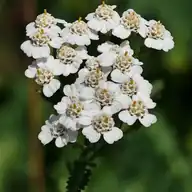
2 × yarrow
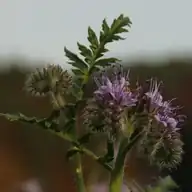
5 × lacy phacelia
5 × crocus
The real placement, on an example 4 ft bed - the same layout the planner draws.
Between seasons
Living perennials stay in the bed between seasons, so the ground is part rotated and part not.
What it claims
something in flower from early spring to late summer keeps pollinators and predatory insects fed and near the beds it borders
A good hunch
Mechanism: The flowers supply nectar and pollen that adult predators and parasitoids feed on, so a patch of them near a fruiting crop keeps those beneficial insects fed and close by to work the crop. The effect is real but not guaranteed — an insectary patch does not always suppress pests.
Evidence: confirmed against 1 source in the research-based literature.
the source
UC Statewide IPM Program (UC IPM), 'Insectary Plants', ipm.ucanr.edu/environmental-protection-and-pesticide-stewardship/insectary-plants (read 2026-07-11): 'Insectary plants are those grown to attract, feed, and shelter insect parasites (parasitoids) and predators to enhance biological pest control. Insectary plants provide nectar and pollen, which the adults of many natural enemy species need to consume.' (UC IPM also notes 'insectary plants may not always help' suppress pests — consistent with the 'reasonably supported' framing.)
The honest version
The strip feeds insects; it does not summon them, and the engine cannot see a bee. Its reason to exist is arithmetic over bloom windows: crocus opens early spring, yarrow carries late spring through late summer, phacelia doubles midsummer. Swap a role and the cover can break; the plan says which season goes dark. Crocus corms are rodent food, so a strip in vole country wants the daffodils nearby. Anise hyssop, echinacea and summer savory can all take the summer bridge in phacelia's place. Mint would flower there too, but it runs on its own roots and a strip has nothing to hold it, so it is left off the swap list - keep a mint in a pot beside the strip instead.
Roles
A role is filled by whatever satisfies its predicate, not by a fixed species list. The canonical filler is the default; the alternatives are priced.
Rotation history attaches to the ground, not the bed, so this is what the planner remembers about this patch after the guild comes out.
Daisy Family: partial load
Borage Family: partial load
Iridaceae: partial load
Rules that gate it
Promising
A guild deposits family history across its whole footprint.
costly if ignored → warn
Mechanism: Soilborne inoculum and overwintering pest stages disperse across the bed. A guild dominated by one family forecloses that ground for that family's rotation interval.
Evidence: confirmed against 2 sources in the research-based literature.
the 2 sources
Same soilborne-persistence basis as other rules here (read 2026-07-11): NC State Extension (Verticillium microsclerotia 'can survive in the soil without a host for up to 10 years'; Septoria/early blight 'overwinter on infected tomato debris and solanaceous weed hosts') and UMN/Ohioline (squash bug overwinters 'as adults in sheltered places ... they fly to growing cucurbit plants'; squash vine borer 'overwinters in the soil as a pupa').
Those sources establish that inoculum and pest stages persist in the ground and are not confined to the exact spot a plant occupied; this rule applies that persistence across the whole guild footprint. The whole-footprint attribution is the corpus's rotation geometry (history attaches to ground, not to the individual plant — see the data model), not a claim from an external source.
remedy
Rotate the whole bed the guild occupied, not just the rows that family grew in.