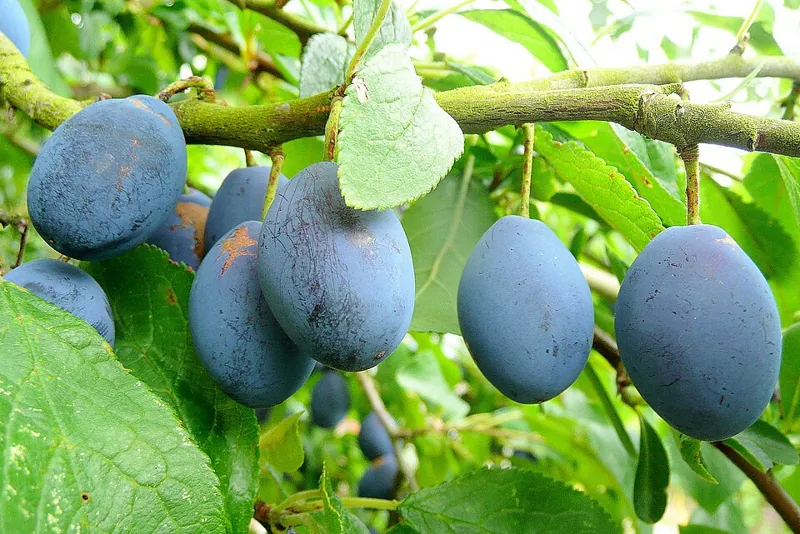
No plantes frambuesas, fresas ni frutales de hueso donde pueda haber marchitez por Verticillium en el suelo: tierra que hace poco tuvo solanáceas, o una de esas mismas plantas propensas a la marchitez.
Mecanismo: Verticillium dahliae persiste en el suelo como microesclerocios e infecta una amplia gama de hospederos que abarca las solanáceas y la familia de la rosa. No hay cura en el suelo una vez que se planta una perenne susceptible, así que puede marchitarse y morir por el inóculo que dejó un hospedero anterior — y como la familia reservorio puede ser distinta de la de la víctima, los intervalos de rotación por misma familia no lo detectan.
Evidence: confirmed against 3 sources in the research-based literature.
the 3 sources
Penn State Extension, 'Bramble Disease - Verticillium Wilt' (Kathy Demchak), extension.psu.edu/bramble-disease-verticillium-wilt (read 2026-07-12): 'Verticillium wilt is caused by two common soilborne fungi (Verticillium dahliae and Verticillium albo-atrum) that have a wide host range'; 'To minimize disease, choose a planting site with no known history of this problem. Avoid land recently planted with tomatoes, potatoes, eggplants, peppers, strawberries, raspberries, or stone fruits'; 'There are no effective fungicides for management once the plants are in the ground'; 'The number of years required to eliminate verticillium, especially the resting spores from the soil, is unknown.'
UMass Extension, New England Small Fruit Management Guide, 'Brambles - Diseases', ag.umass.edu/fruit/ne-small-fruit-management-guide/brambles/diseases (read 2026-07-12): 'Verticillium attacks a wide range of plants, including potatoes, tomatoes, peppers, eggplant and strawberries. It overwinters in the soil and on plant debris. Do not plant [raspberries following these crops].'; 'Non-host crops such as corn or wheat can help eliminate the fungus if grown for at least 2 years before planting raspberries.'
Host range / persistence corroborated by the source already cited on another rule here: NC State Extension, 'Verticillium Wilt of Tomato and Eggplant' (read 2026-07-11): 'The pathogen can survive in the soil without a host for up to 10 years in the form of structures called microsclerotia'; 'affects more than 300 host families.'
solución
Pon la perenne en tierra sin solanáceas recientes, o elige una que no sea susceptible a Verticillium. El servicio de Extensión aconseja cultivar primero una planta no hospedera — maíz o un cereal de grano pequeño — durante al menos dos años, sin afirmar que eso limpie el suelo. Una vez plantada la perenne, no hay cura en el suelo.